
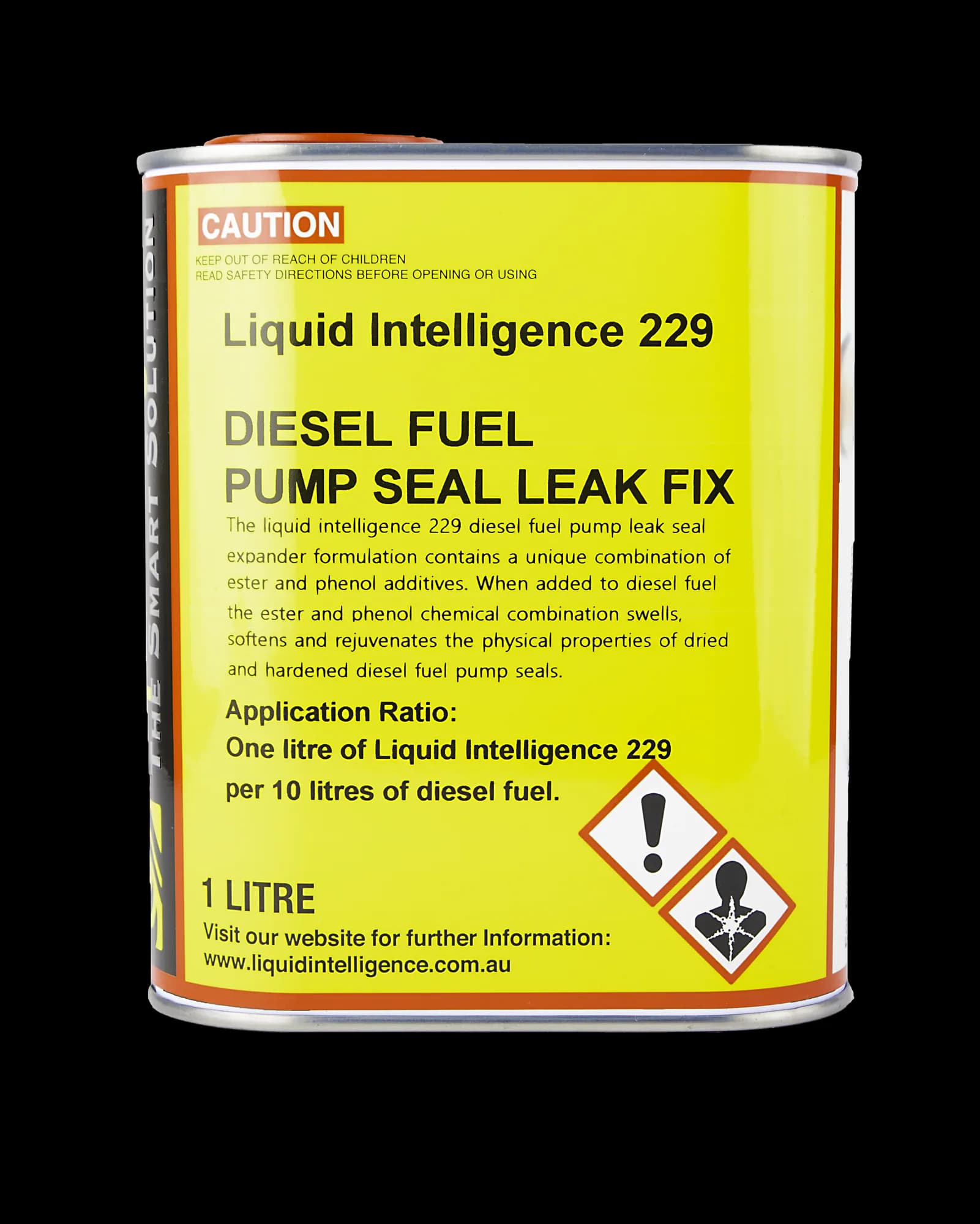
Liquid Intelligence No. 229
Diesel Pump Seal Leak Fix
Fixes diesel fuel pump leaks by rejuvenating nitrile pump seals.
- ✓Rejuvenates nitrile fuel pump seals in place
- ✓Just add to the fuel tank, no mechanical work
- ✓Alternative to $2,500+ pump replacement
- ✓1L treats 10–20L of diesel fuel
Diesel Pump Seal Leak Fix
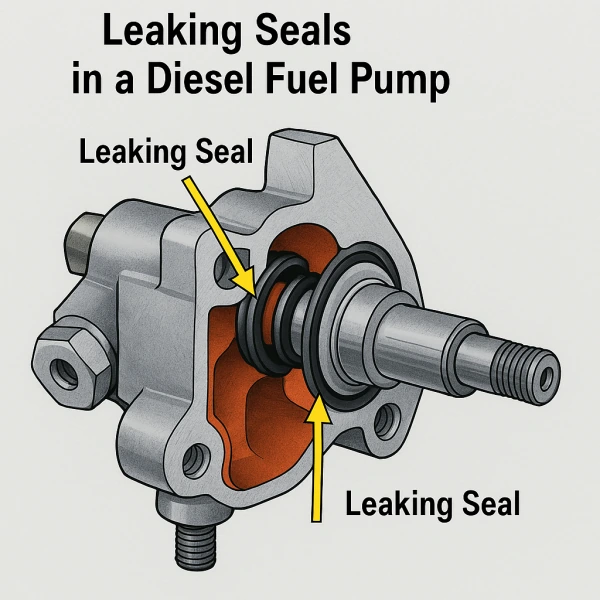
Liquid Intelligence 229 fixes diesel fuel pump leaks by swelling, softening and rejuvenating the pump's nitrile seals. You simply add it to the fuel tank: no dismantling and no mechanical work.
Most pump leaks come from seals that have dried and hardened with age, and those are the ones 229 restores, for a fraction of the cost of a $2,500–$5,000+ pump replacement. The vehicle stays on the road.
It's used in diesel cars and 4WDs, light and heavy commercials, road haulage, earth-moving equipment, cranes, forklifts, farm machinery, stationary engines such as generators and pumps, boats and ships.
Why diesel pump seals leak
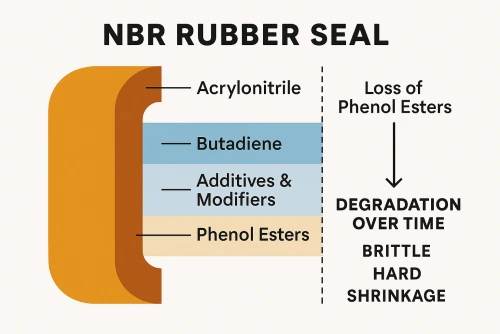
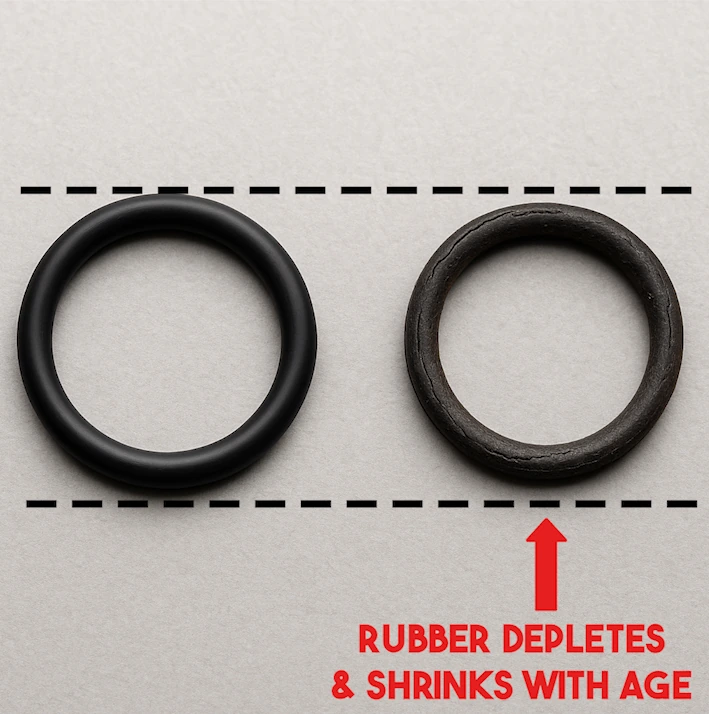
Diesel fuel pump seals are usually made of nitrile butadiene rubber, or NBR. About 20% of an NBR seal is plasticisers: the compounds that keep it soft, elastic and durable. Over time they degrade, evaporate or leach out, and the seal turns brittle, loses its flexibility and shape, shrinks and starts to leak.
229's main ingredients are phenol esters, a class of chemicals first used in seal manufacturing to give rubber its elasticity, compression strength and long-term durability. The fuel carries them to the dry, hardened seals, where they penetrate the porous rubber and are gradually absorbed. That replaces the lost plasticisers and restores the seal's flexibility, volume and shape, and with them its ability to seal.
Will 229 fix your leak?
Most leaking seals aren't mechanically damaged, just dry and hardened with age. Where a seal is still intact but weeping or dripping fuel, 229 can often restore it. If a seal is damaged but not physically broken, 229 may not stop the leak completely, but it can substantially reduce it, and that's often an acceptable, cost-effective result.

Some leaks are substantial and need the pump replaced or serviced. Most are minimal, though, and if yours is like the one pictured at the top of the page, 229 is a logical first step before an expensive repair. It works especially well on older diesel engines, where seal fatigue is common but the pump otherwise runs normally.
It isn't an exact science: every leaking pump is different, with its own wear and seal condition. Customer feedback has been overwhelmingly positive, though, with most users reporting that 229 stopped their leak and kept the pump leak-free for years.
229 or a new pump?
Replacing the pump means a reconditioned exchange unit, from $2,500, or a new OEM pump, $2,500 to $5,000 or more. Rotary pumps (such as the Bosch VE) are less complex and generally cheaper to rebuild; common rail pumps (such as Denso, or Bosch CP3 and CP4) are more advanced and significantly more expensive. A diesel mechanic will usually need the vehicle for at least two days to remove, replace and reprogram the pump, and some models take longer.
| Replace or rebuild the pump | Treat with 229 | |
|---|---|---|
| Typical cost | $2,500–$5,000+ | Under $200 |
| Vehicle off the road | 2–4 days in the workshop | None |
| Work involved | Pump removal, possibly ECU recalibration | None: add it to the tank yourself |
| Suits | Pumps with internal damage or total failure | Pumps leaking from hardened or dried seals |
Instructions/How to Use 229
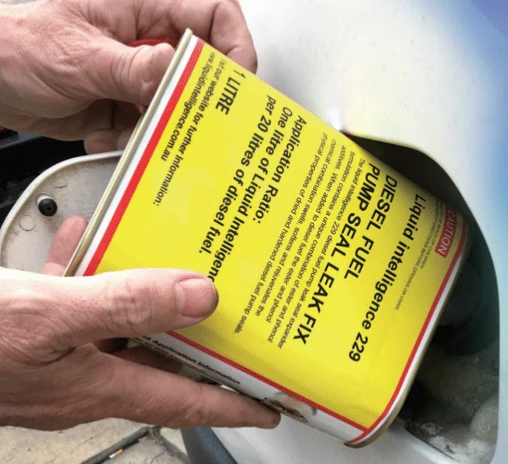
The dose depends on how bad the leak is:
- A minor leak or seep: 1 litre of 229 per 20 litres of fuel.
- A dripping leak: 1 litre per 10 litres of fuel.
- Add 1 litre (one full can) of 229 to about 10 litres of diesel in the fuel tank.
- Drive the vehicle back and forth a few times (your driveway will do) with a few firm stops, to splash-mix the treatment into the fuel. Then drive or idle it up to temperature, so the treated fuel reaches the pump.
- Turn the vehicle off and let the treated fuel sit in the pump for about an hour.
- Start it and let it idle for 10 minutes to re-pressurise the system, then switch it off again for another hour.
- Keep repeating this through the day, re-pressurising the pump every hour.
The key is keeping the treated fuel in contact with the seals under pressure. If the pump isn't re-pressurised every hour, 229 can't fully infuse into the seals and restore their flexibility.
Most leaks are sealed within a day. If yours persists, carry on for another day, repeating as needed. How well it works depends on the condition of the seals.
- ✓ Prices in Australian dollars and include GST
- ✓ Formulated and made in Australia
- ✓ Free technical phone support before and after purchase
Not sure this is the right fix?
Call and describe the problem. We'll tell you honestly whether this product will solve it, before you spend a cent.
Call 1800 441 163Or 02 8188 2060 · 7am–7pm, seven days
What customers say
Not ONE drop of diesel has dripped. VERY HAPPY.
Read the full story
I purchased your product 229
I have an old Nissan 2.7 diesel 4×4
It was dripping diesel from the fuel pump which gradually was getting worse.
I bought your product and did this….
emptied the tank down to about 10 litres ( maybe a bit less ) added 229 and mixed thoroughly with a short but rough drive.
left for 5 days
drove for about 10km and left again for 3 days
added fuel to 1/2 tank drove again 10km left again for 3 days
drove again 10km left for 3 days
filled tank and have have used daily since including 2 big trips.
Not ONE drop of diesel has dripped. VERY HAPPY.
I was getting ready to have the pump replaced you saved me thousands of dollars.
Read the full story
I purchased a liter of your 229 diesel fuel pump leak repair and put it in my case ih CX100 your product is amazing. I followed the instructions and left the tractor idle for several hours over a two day period and leaking stopped.I was getting ready to have the pump replaced you saved me thousands of dollars.
More stop leak & repair
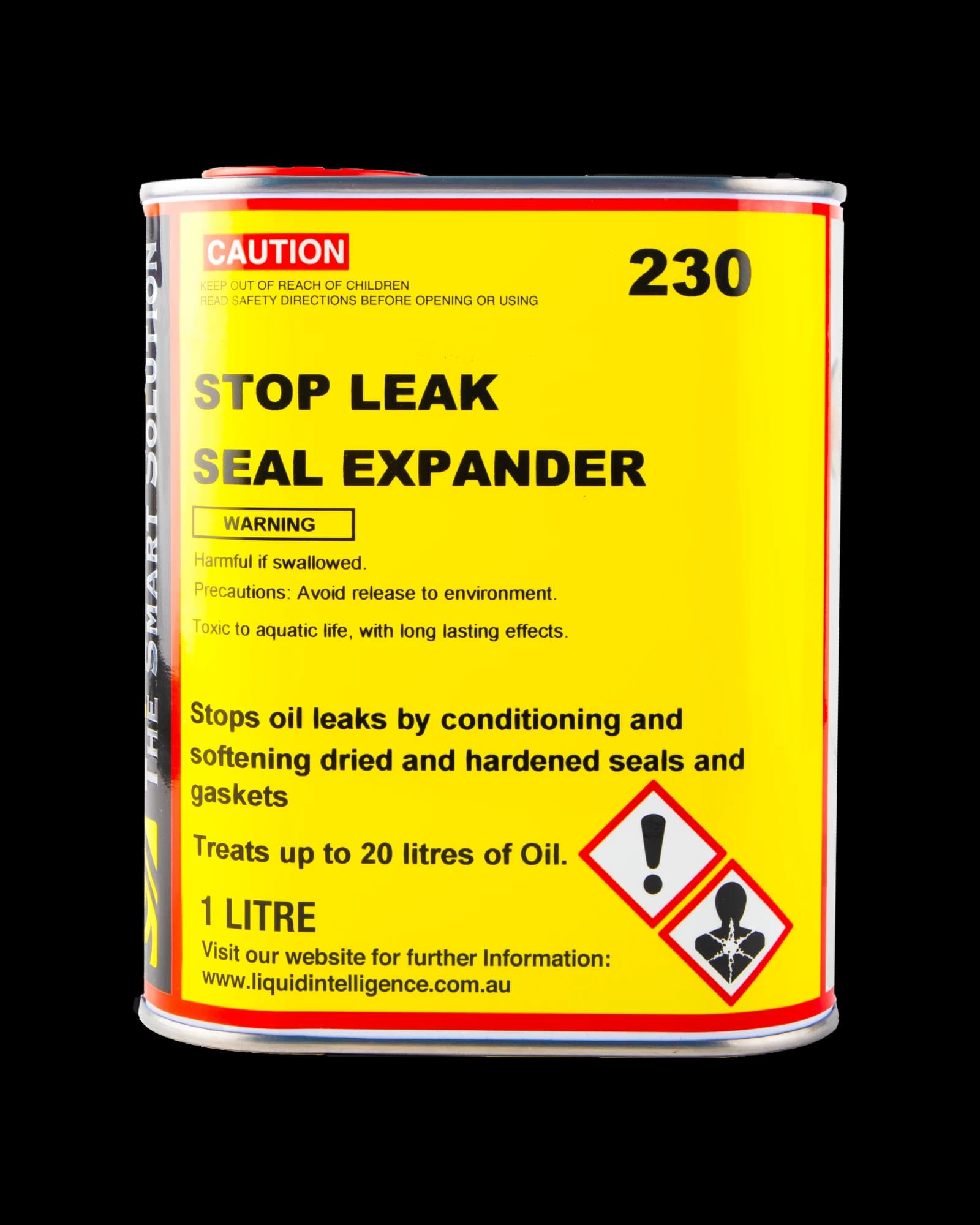
Stop Oil Leak Seal Expander
Rejuvenates dried, hardened seals to stop oil leaks, success rate greater than 95%.
from$143
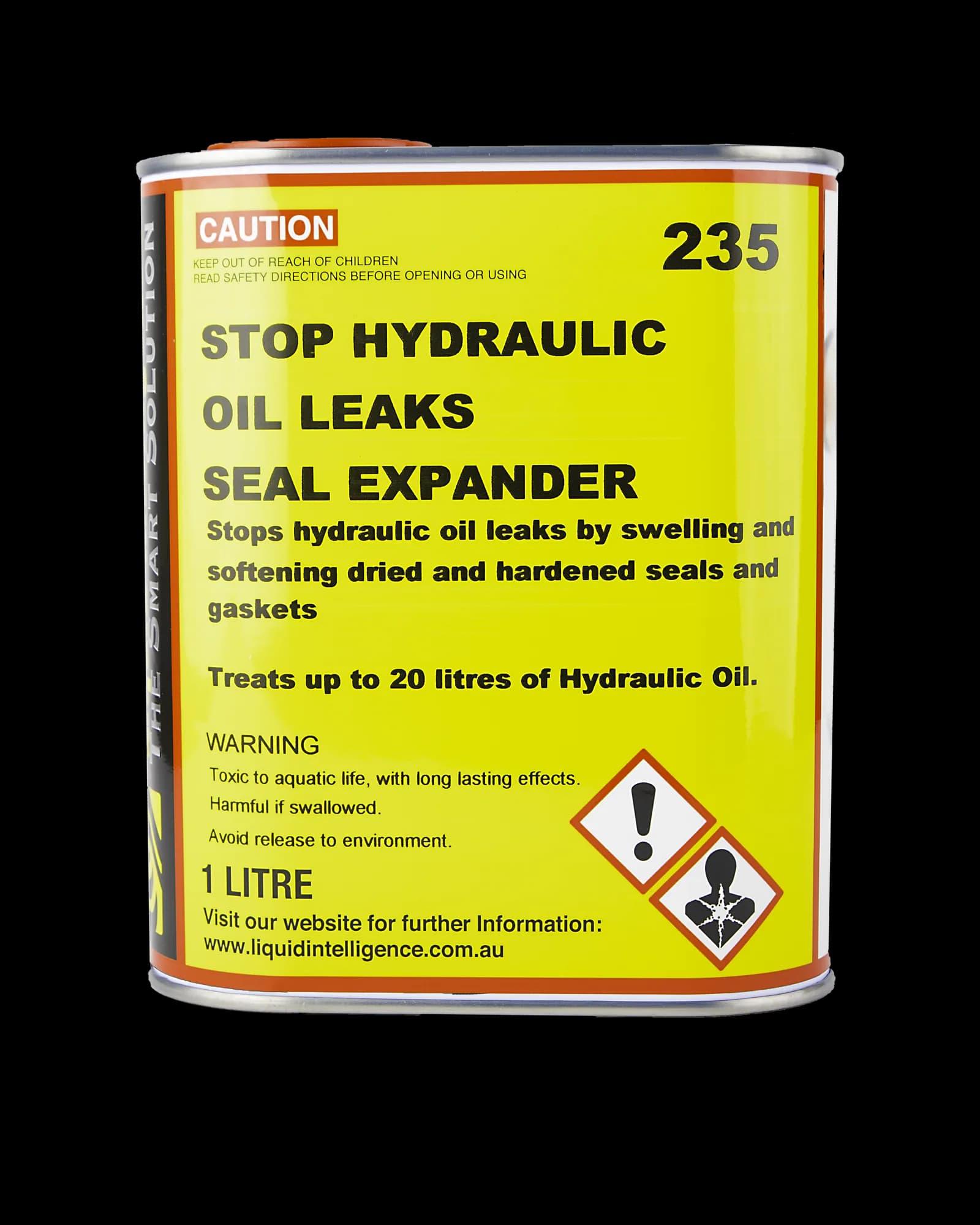
Hydraulic Stop Leak
Permanently stops hydraulic oil leaks in rams, pumps and systems.
from$154
Radiator Stop Leak Kit
The strongest and safest radiator fix on the market today.
$96
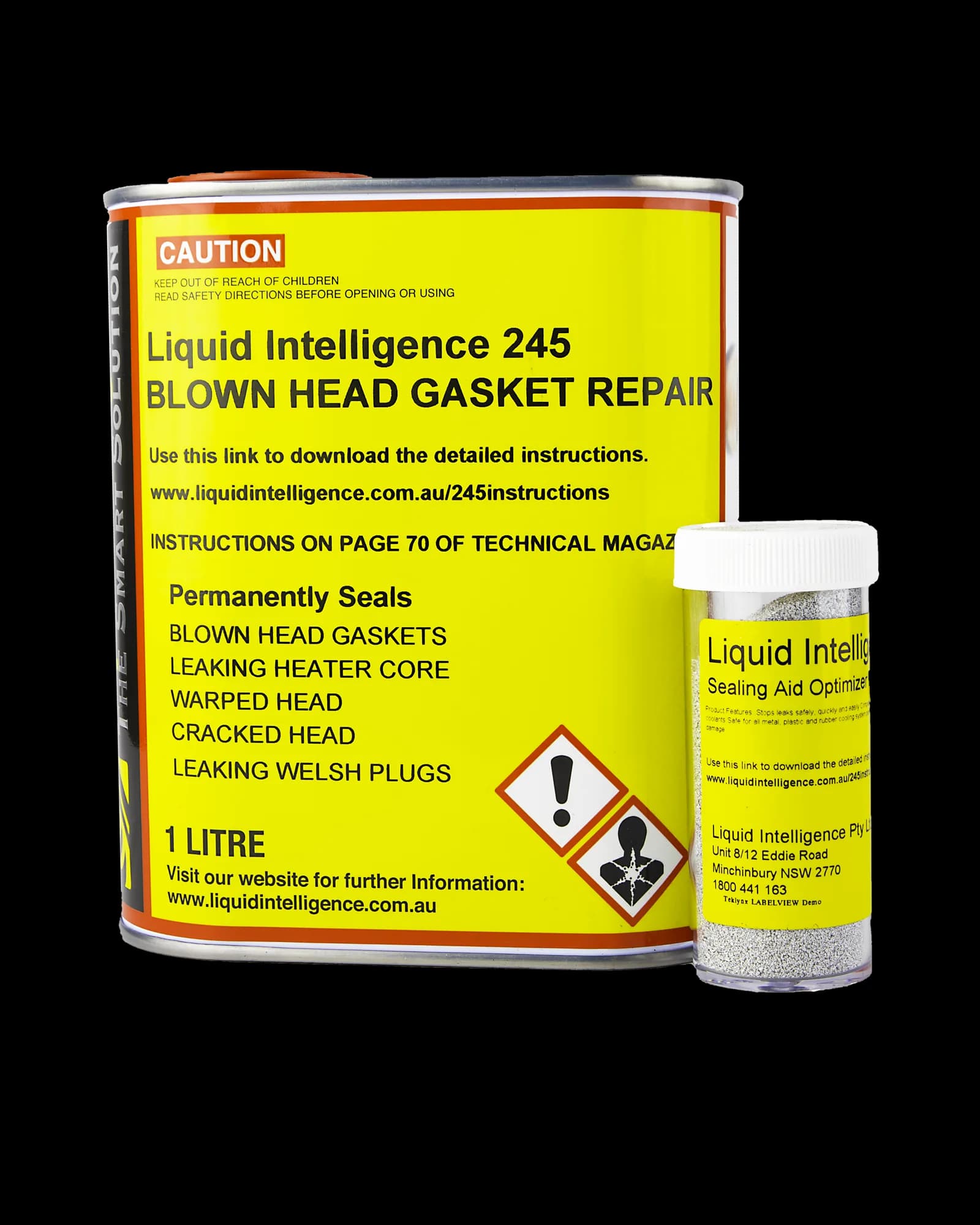
Blown Head Gasket Repair
Repairs blown head gaskets without dismantling the engine. Results in minutes.
from$111
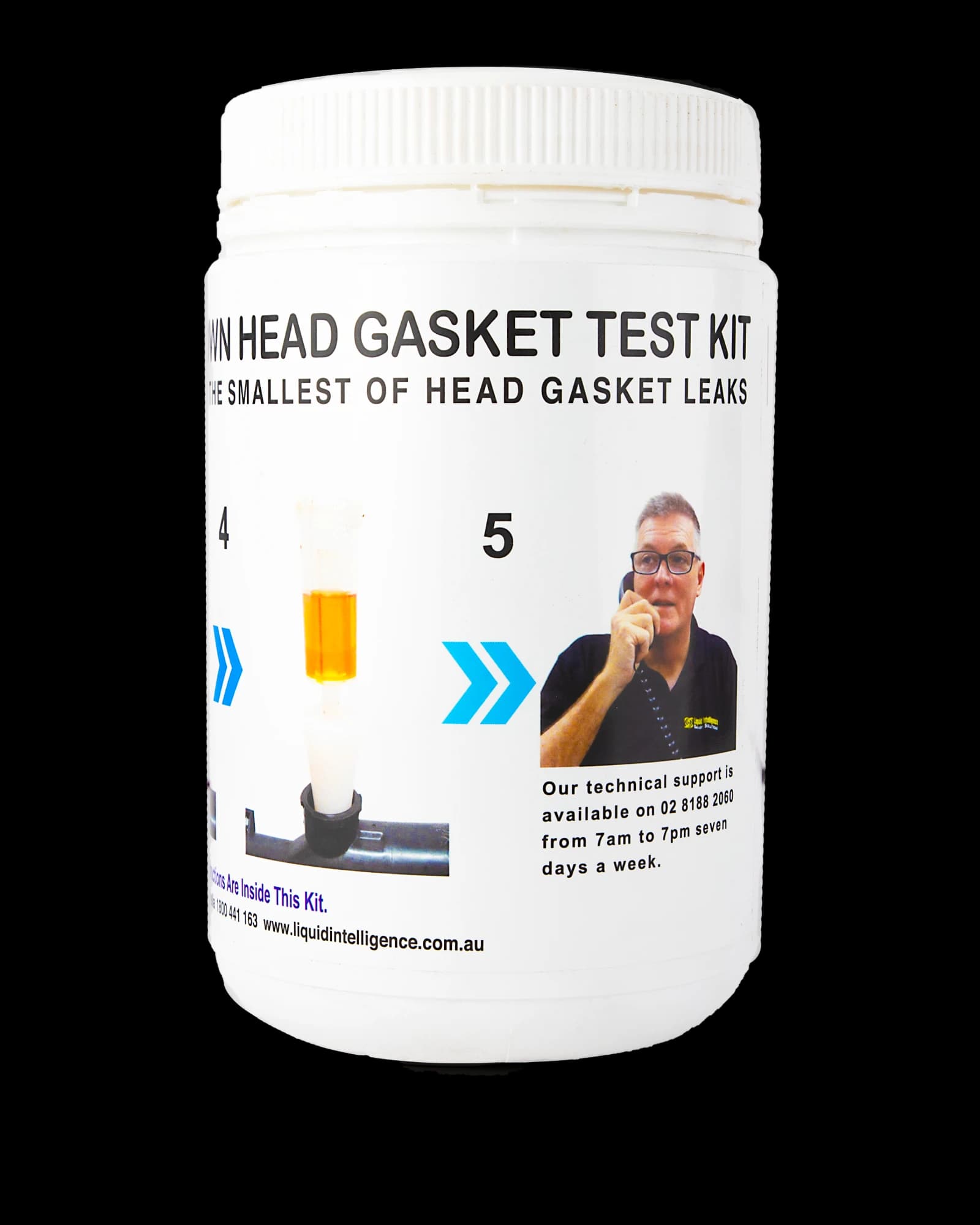
Head Gasket Test Kit
Detects even small head gasket breaches, tests up to 20 vehicles.
$69