
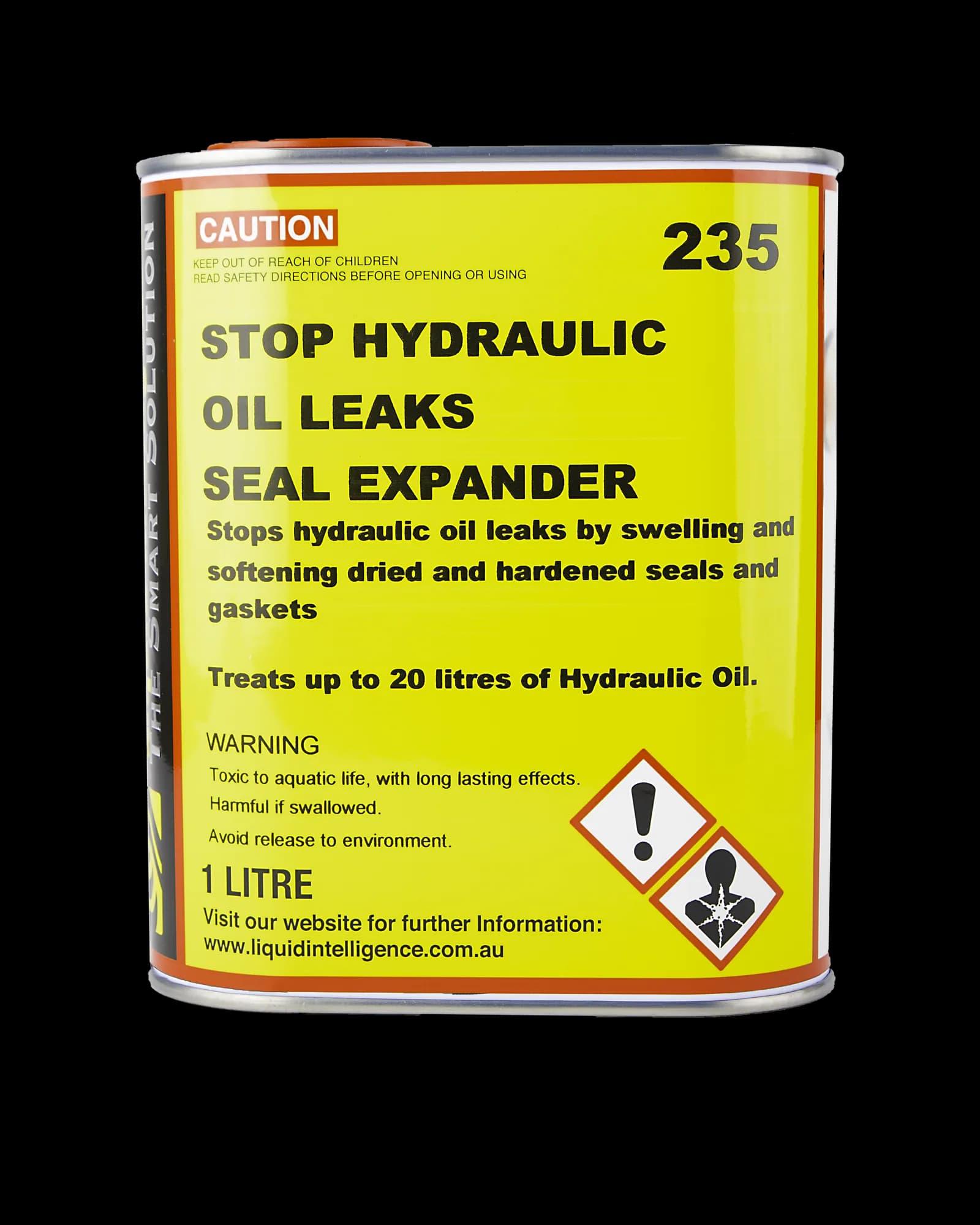
Liquid Intelligence No. 235
Hydraulic Stop Leak
Permanently stops hydraulic oil leaks in rams, pumps and systems.
- ✓Stops leaks in hydraulic rams, pumps and systems
- ✓1L treats up to 20L of hydraulic oil
- ✓Doubles as preventative seal maintenance
- ✓Free expert technical support included
Hydraulic Stop Leak
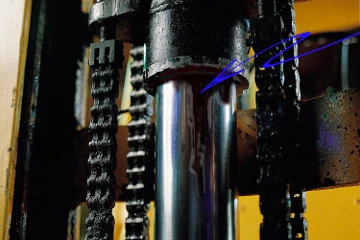
Liquid Intelligence 235 stops hydraulic oil leaks by swelling, softening and rejuvenating dried and hardened seals and gaskets in rams, pumps and complete hydraulic systems. Used as directed, it seals permanently, and it doubles as preventative maintenance.
All hydraulic seal materials tend to lose their plasticisers with age: they shrink, oxidise, harden and become brittle. 235's unique combination of ester and phenol additives restores the physical properties of dried and hardened seals made of Buna-N (nitrile), polyacrylate, neoprene, styrene-butadiene rubber and polyacrylonitrile.
It is made from pure phosphate ester and phenols, with non-chlorinated, non-petroleum synergists in a paraffin carrier. It contains no chlorides and no petroleum or chlorinated solvents, has very high temperature and pressure stability, and won't affect the viscosity of the hydraulic fluid.
Add 50 mL per litre of hydraulic oil, so one litre treats up to 20 litres. It works on the hydraulic seals within one week.
Where to use it
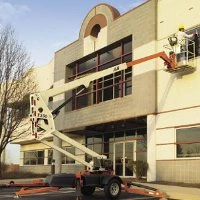
235 works on the hydraulics of:


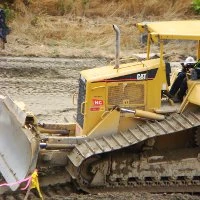
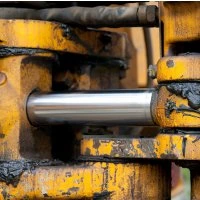
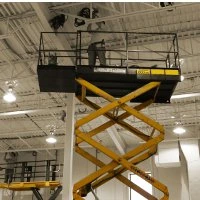
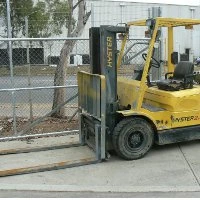
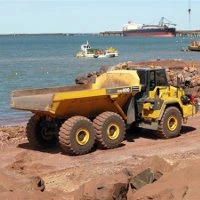
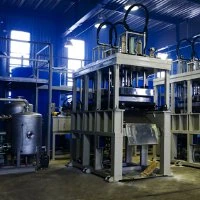
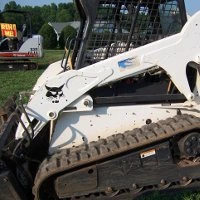
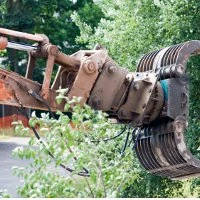
What it does inside a hydraulic ram
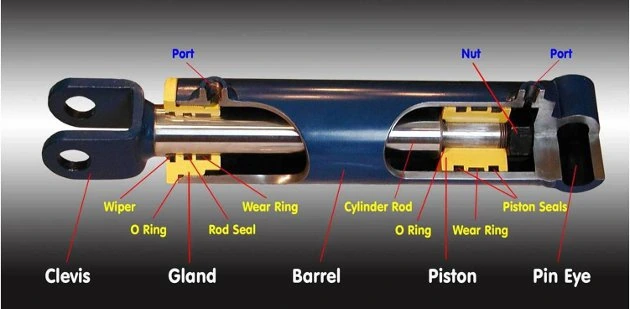
- O-rings: 235 brings flexibility back to the O-ring material, for a tighter fit that prevents leakage.
- Rod seals: it restores them to tolerance and "un-gums" frozen garter springs, for a tighter fit.
- Wear rings: it helps return the seal to specification, which reduces shaft wear and keeps costly shaft and ram replacement to a minimum.
Wiper seals
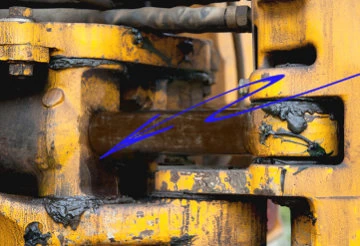
Wiper, or scraper, seals are a hydraulic system's first line of defence, keeping dirt, mud, water and other contaminants out. On heavy equipment the cylinder rods are constantly exposed to dirt and the elements. When the scraper is dried and hard, the rod gets coated with excess oil and dirt, which builds up, makes the surface uneven and abrasive, and wears the cylinder seals down until contaminants get into the system.
Once inside, the particles act as a lapping compound, wearing down valves and pumps. Contamination particles are the most common reason for hydraulic breakdowns and short seal life, and premature system failure is often due to particulate and moisture contamination through worn cylinder seals.
235 rejuvenates dried and hardened wipers so they return to size, preventing further contamination.
Will 235 fix your leak?
A broken or cracked seal normally leaks profusely, while a worn, hardened or dried seal just leaves irritating puddles of oil each day. If the equipment isn't losing vast amounts of oil, try 235 as a first step, before spending big money on mechanical repairs and new seals: hydraulic system repairs range upwards from $300 to $3,000, and even higher. 235 has a long history of successfully repairing slow oil leaks in hydraulics.
It works on these kinds of seal wear
Gradually increasing leakage, characterised by:
- Progressive wear and drying
- Increasing compression
- Progressive tear or erosion from an initial nick
- A fine score mark on the dynamic surface
Slow, uniform leakage, characterised by:
- Poor low-pressure sealing
- Too little initial interference
- Loss of interference or squeeze through wear or compression set
- Seal shrinkage after installation
- Microscopic debris lodged under the seal lip
- A lip scored by a sharp particle passing under the seal, leaving a cut or nick
- A seal lip nicked or cut during installation (note whether the leak started straight after the seal was fitted)
- Non-repetitive overheating that has hardened the compound, so it can no longer conform to deviations in the dynamic surface
- Off-centre alignment that puts all the clearance on one side and all the compression on the other, from bearing wear, excessive side loads and the like
Erratic, stop-start leakage, characterised by:
- Cold start-ups
- Intermittent eccentric loading
- Fibrous contamination working its way past the seal lips
- An unstable seal that twists and returns or cocks, usually from shock loading
- A rod seal leaking slowly, with a tight wiper periodically dumping the oil that has built up
- Fluid viscosity changing as the temperature cycles, such as a forklift going in and out of a cold store
It won't work on sudden, copious leakage
235 can't improve a seal with mechanical damage: one that is cracked, ripped or torn. Sudden, copious leakage is characterised by:
- An extruded seal
- A torn seal lip
- A twisted seal
- Dramatic bearing failure from excessive side load, shock and the like
- Spiral failure
- A massive infusion of contamination, from the wrong fluid added to the system or dirt or wear debris introduced upstream
- Reverse-pressure blowout of a piston seal, from a pressure trap or failure of the opposed seal
It may be a false alarm. Slow rod seal leakage can build up behind a tight wiper and then dump all at once, which looks like a catastrophic seal failure. If the leak rate then drops, look for the slow or erratic causes above. If the high leak rate continues, look for a true catastrophic leak.
- ✓ Prices in Australian dollars and include GST
- ✓ Formulated and made in Australia
- ✓ Free technical phone support before and after purchase
Not sure this is the right fix?
Call and describe the problem. We'll tell you honestly whether this product will solve it, before you spend a cent.
Call 1800 441 163Or 02 8188 2060 · 7am–7pm, seven days
More stop leak & repair
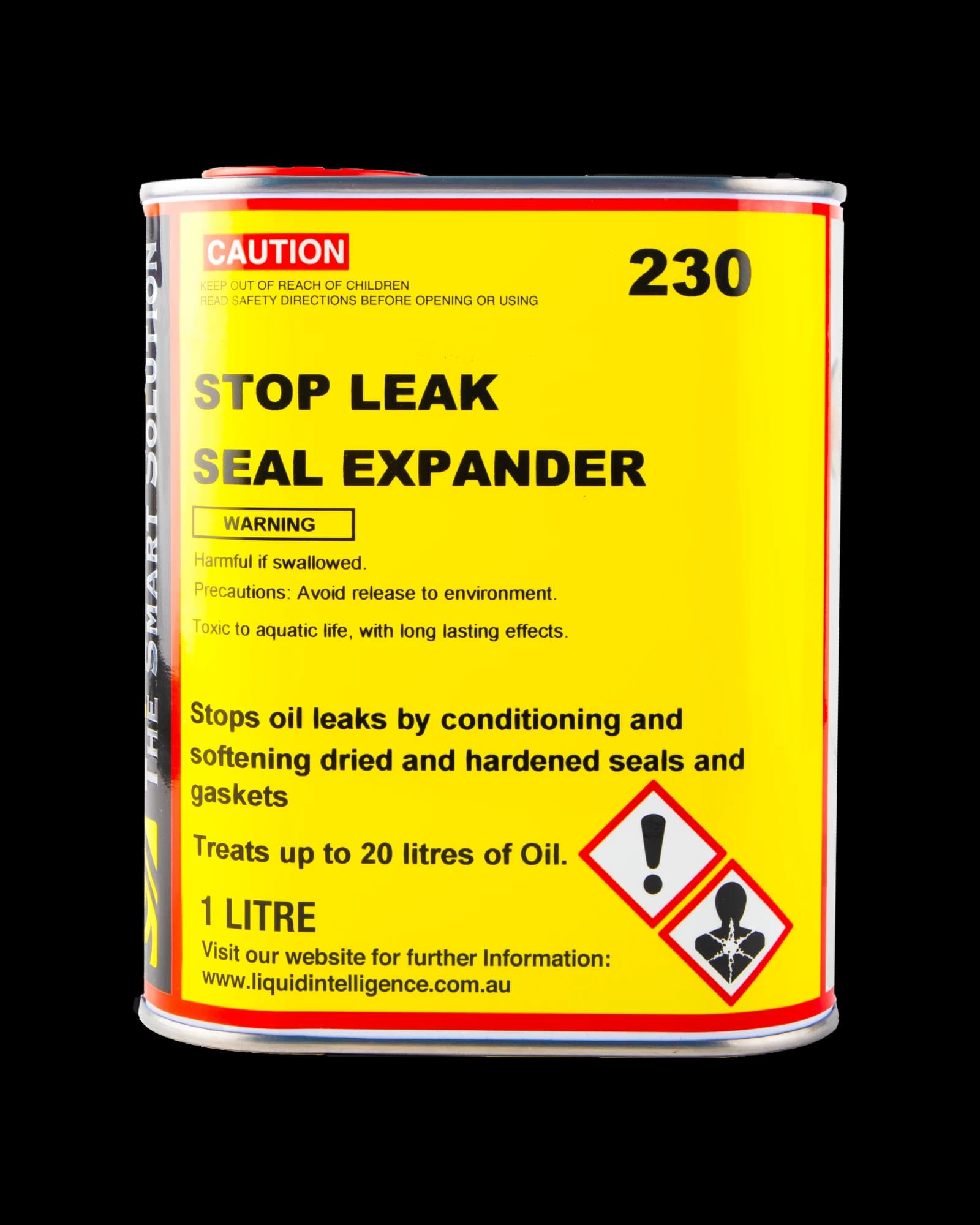
Stop Oil Leak Seal Expander
Rejuvenates dried, hardened seals to stop oil leaks, success rate greater than 95%.
from$143
Radiator Stop Leak Kit
The strongest and safest radiator fix on the market today.
$96
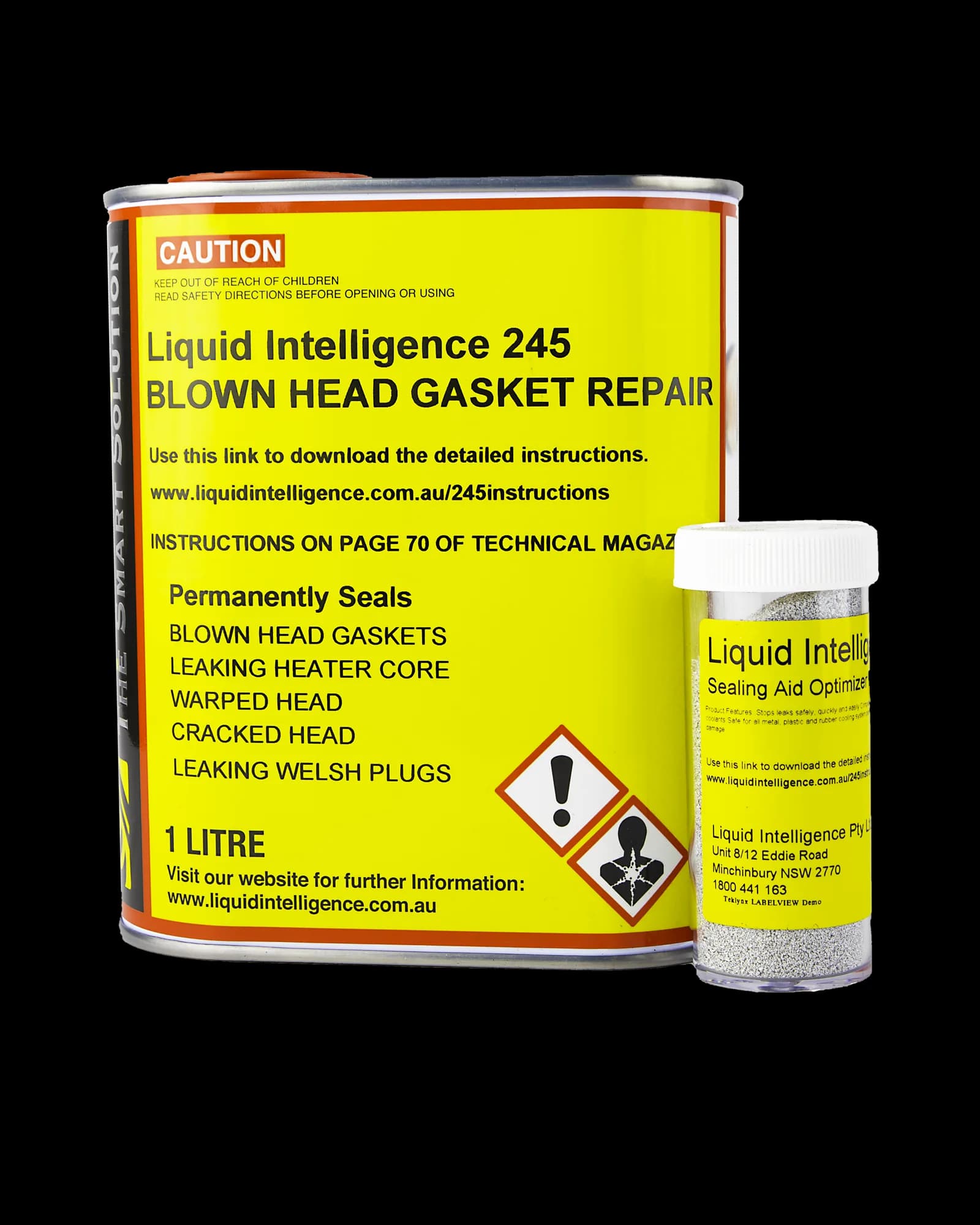
Blown Head Gasket Repair
Repairs blown head gaskets without dismantling the engine. Results in minutes.
from$111
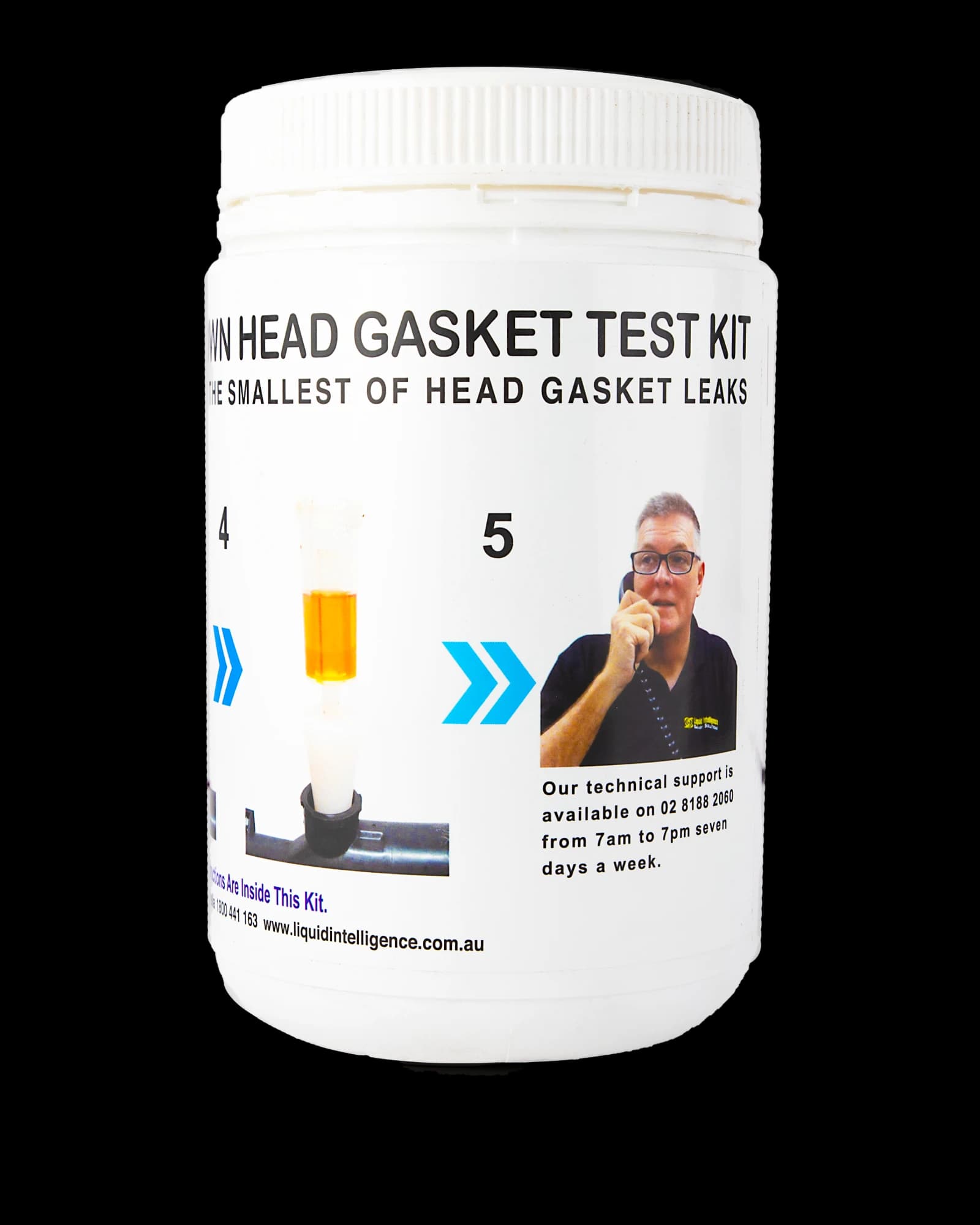
Head Gasket Test Kit
Detects even small head gasket breaches, tests up to 20 vehicles.
$69
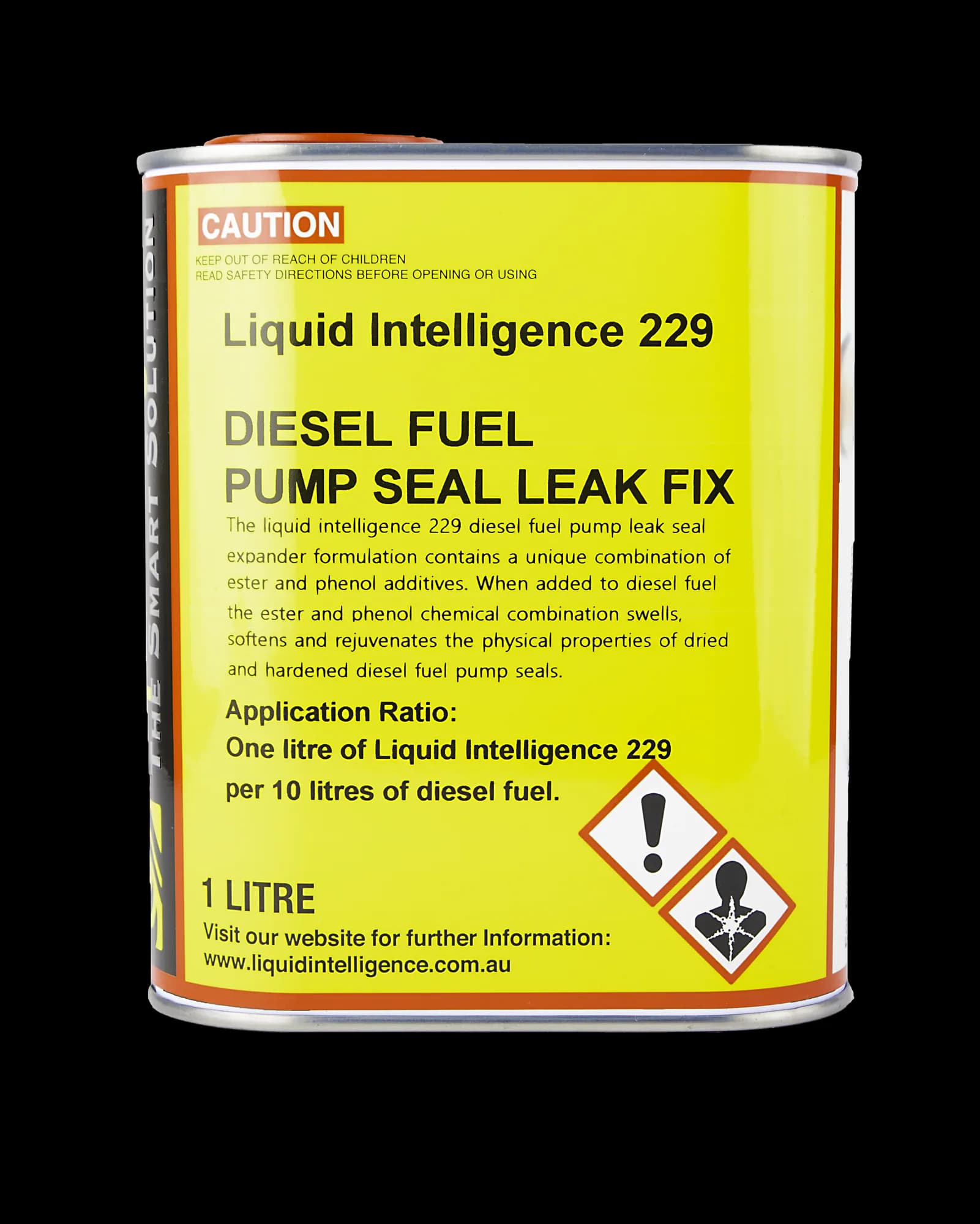
Diesel Pump Seal Leak Fix
Fixes diesel fuel pump leaks by rejuvenating nitrile pump seals.
$154