Cooling systems built for another era struggle in today's traffic and an Australian summer. Here's why, and what to do about it before you pull anything apart.
Why vintage cars run hot
Cooling systems from the 1910s to the 1960s were designed for a different world. Many have small water pumps with very low flow rates and little or no pressure in the system, and some have no pump at all, relying on thermosiphon circulation. That was enough on cold roads in the countries they were built for. Stop-start traffic on a hot Australian day is another matter. It's the same across the cars of the era, from the Austin 7, Model A Ford and Rugby to Armstrong Siddeley, Bentley, Buick, Chevrolet, Crosley, Erskine, Fiat, Jaguar, MG, Nash, Packard, Standard, Sunbeam, Triumph and Vauxhall.
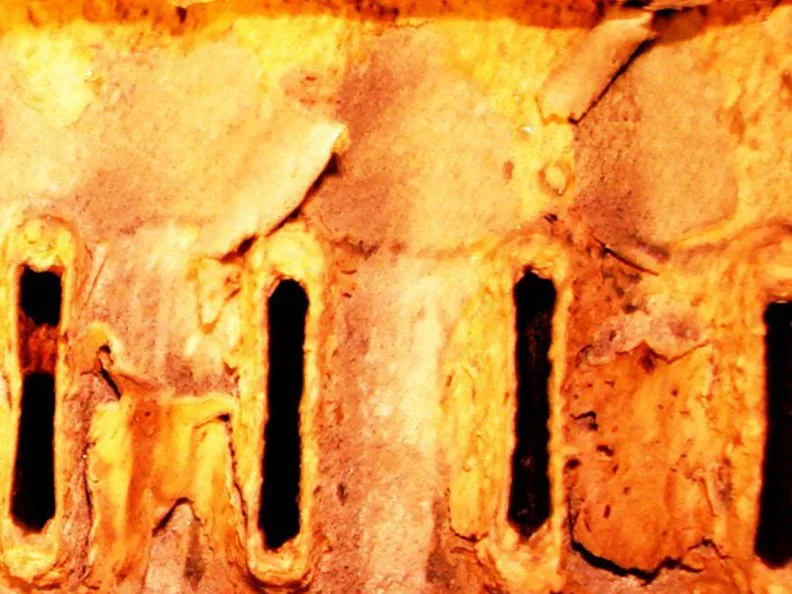
Inside a radiator's top tank: scale crusted around the tubes
Age makes it worse. Over the decades, hard water and heat leave rust and mineral scale on the walls of the engine's water jacket and crusted around the radiator's tubes. Scale insulates the metal from the coolant: a millimetre of it on the water jacket walls can cut the cooling system's heat transfer by as much as 30%, and narrowed radiator tubes cut the flow further.


The coolant matters too. Glycol raises the boiling point, but it's poor at carrying heat. A modern engine makes up for that with a high-flow water pump. A vintage engine can't.
A modern system: glycol coolant, and a high-flow pump that runs to keep up
A vintage system: a slow, low-flow pump
Step 1: clean out the scale
No coolant can carry heat through a layer of scale, so start with a clean system. Liquid Intelligence 239 Cooling System Cleaning Kit cleans the radiator and the water jacket together without taking anything apart, dissolving the scale that makes an engine overheat.
The fibre-optic camera
On a vintage car that kept overheating, a fibre-optic camera went into the water jacket before and after a clean with 239, which took a little over three hours. The scale was gone, and the owner reports the car now runs considerably cooler.
Water jacket, beforeWater jacket, after
If grease from an old water pump has built up in the system, 238 Cooling System Sludge Remover dissolves it, again without dismantling anything.
Step 2: choose the right coolant
We make two coolants for older cars. They work differently, and which one suits yours depends on the car, its cooling system and how you use it.
Made for vintage and veteran cars, trucks and tractors built between 1910 and 1960, with pressurised, unpressurised or thermosiphon cooling systems. It's an oil and water emulsion with more than twice the heat transfer of a glycol coolant, which makes up for small, low-flow pumps. No glycol, freeze protection to −12°C, and the concentrate makes twice its volume.
A ready-to-use waterless coolant for vintage, classic and performance vehicles. Being waterless, it builds no cooling system pressure, eliminates scaling and stops electrolysis, with boil-over protection to 190°C and freeze protection to −56°C.
Not sure which? Ring Peter on 1800 441 163. He'll ask about the car and its cooling system and tell you straight which one suits it, or whether it's a mechanical fault no coolant will fix.
What owners found
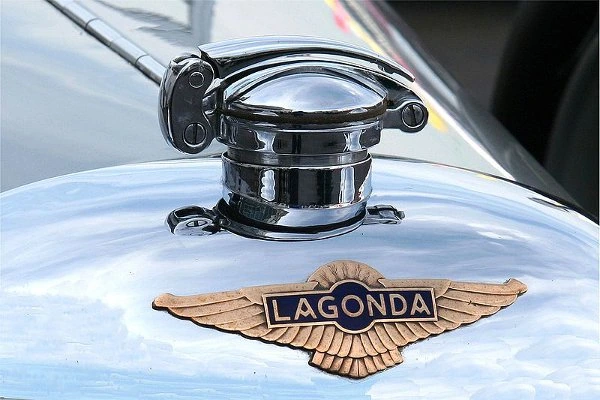
“In Sydney summers, I am now very confident that my Lagonda will not overheat, the temperature is staying on 80°C.”
Read the full story
My experience with liquid Intelligence 115 Waterless Coolant is very satisfactory. In Sydney summers, I am now very confident that my Lagonda will not overheat, the temperature is staying on 80°C. The product is widely used in the Motor Racing fraternity in Australia due to its reliability and benefits.
“My cars are now able to be used and are no longer just curiosities destined for a museum.”
Read the full story
Over the many years of my involvement in the motor industry I witnessed many lubricant and coolant products that were developed to rectify design faults in mass produced vehicles.
The Liquid Intelligence 115 High Temperature Coolant is by far the most successful engine over heating design fault rectifier that I have ever used.
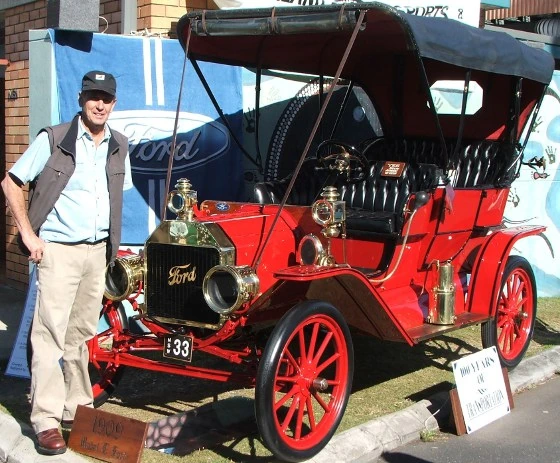
Over the 50 years I have been restoring veteran, vintage and classic cars I have found that one of most prevalent design faults in these vehicles involves the cooling system.
My 1904, 1906 and 1909 Fords are especially prone to over heating as do others in my car collection.
I have personally tested and will continue to use Liquid Intelligence 115 High Temperature Coolant in my early Fords. Under rally conditions it has totally eliminated the overheating and boil-over problems I was experiencing.
My cars are now able to be used and are no longer just curiosities destined for a museum.
I am enthusiastic about this product and I have no hesitation in endorsing it. In fact I’m so impressed with its performance that I asked the manufacturer to allow me to introduce it to my friends and colleagues in the Veteran, Vintage and Classic car movement.
Eliminating the overheating problem will enable more of these wonderful vehicles to get back on to the road.
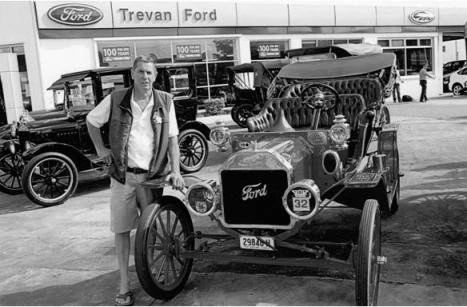
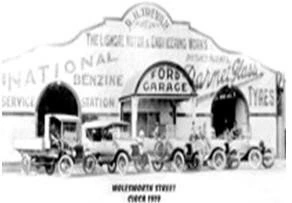
Bob Trevan at Trevan FordThe Trevan family’s Ford garage in its early years
“After using your radiator and block cleaner my 1934 Humber runs 15 degrees colder.”
Read the full story
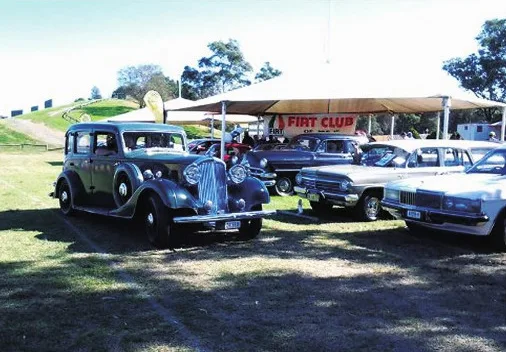
Here we are at Eastern Creek with “Dame Edna” going out for the parade laps. After using your radiator and block cleaner my 1934 Humber runs 15 degrees colder. I now spend more time watching the road and less watching the gauge and worrying.
Helen sent the email with a photo of her Humber heading out for parade laps at Eastern Creek.
Puts back the ZDDP that modern oils left out and engines built before 1996 rely on.
Talk it through with Peter
Peter Maher has been making coolants for more than 40 years. Ring before you buy to check what suits your car, or mid-job if something isn't going to plan: 1800 441 163 or 02 8188 2060, 7am to 7pm, seven days a week.