Rejuvenates dried, hardened seals to stop oil leaks, success rate greater than 95%.
✓Stops gearbox, transmission, power steering, diff and rear main leaks
✓Compatible with 13+ seal rubber types
✓No chlorides or solvents, safe for clutch linings
✓Greater than 95% success rate with technical support
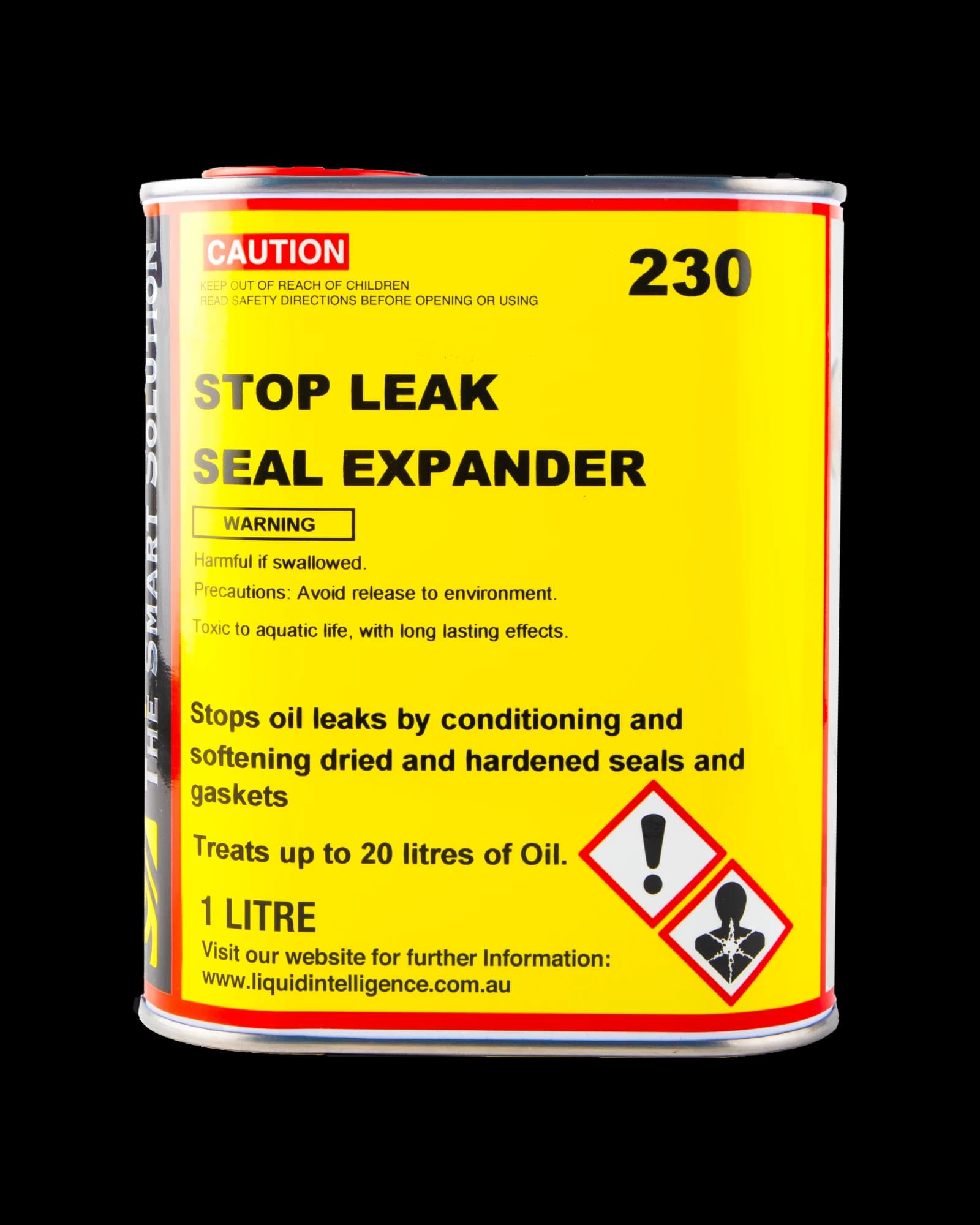
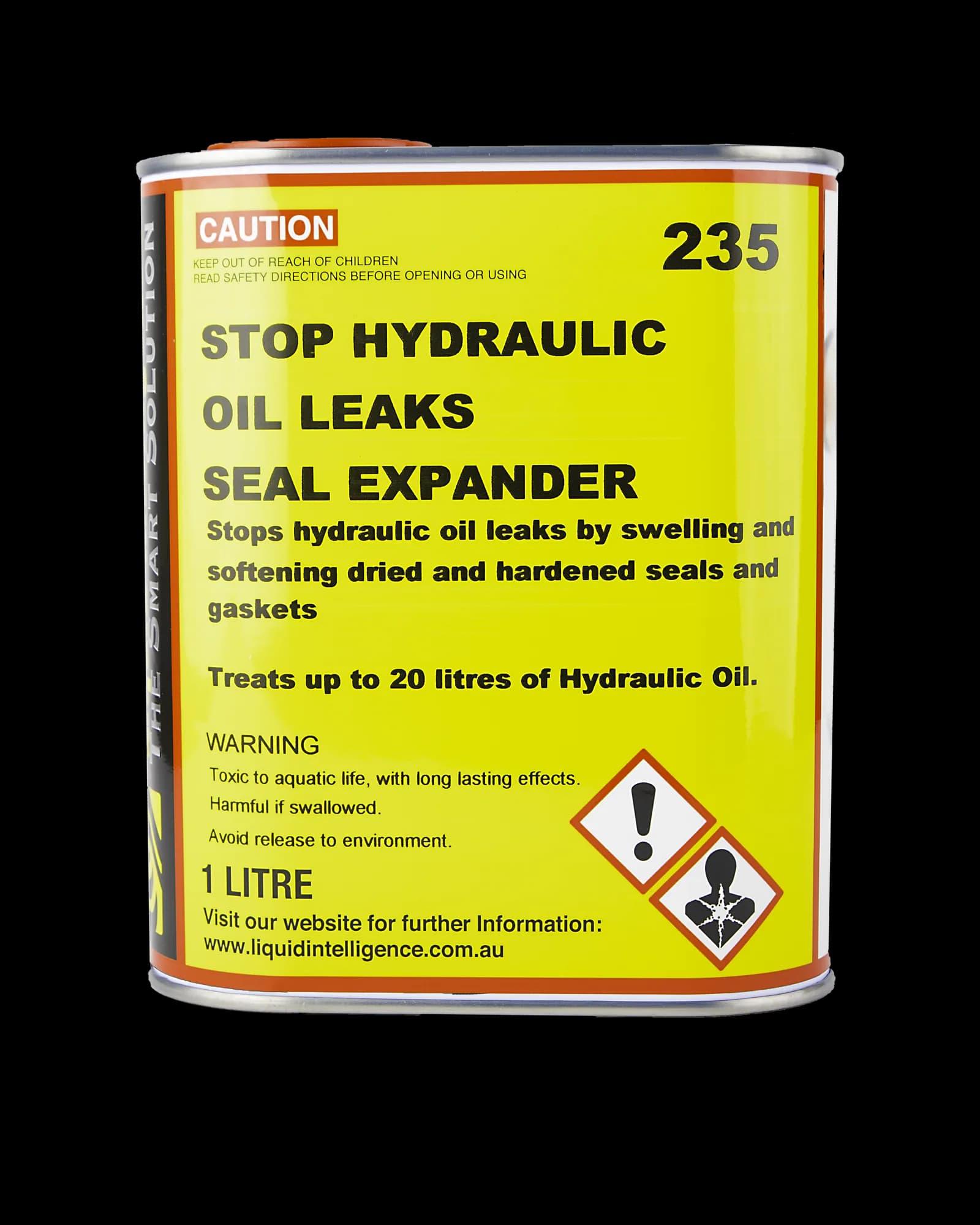
Stop Oil Leak Seal Expander
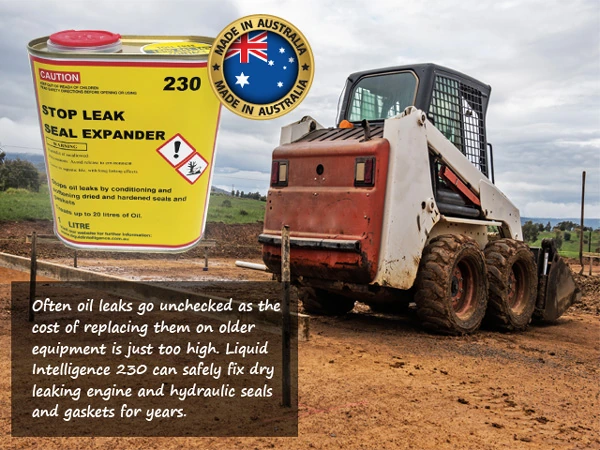
Liquid Intelligence 230 stops oil leaks at the source by rejuvenating the physical properties of dried and hardened seals, gearbox, transmission, power steering, differential and rear main engine seals.
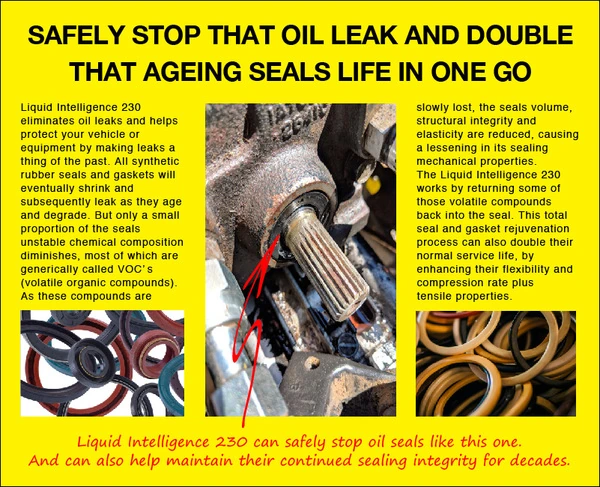
Rubber seals and gaskets start ageing the day they are made. Over the years they lose a small part of their make-up, the volatile organic compounds that give a seal its volume, elasticity and strength. As those are lost, the seal shrinks, hardens and starts to leak. Ageing doesn't change the rest of the seal, which is why it can be brought back.
230 is made from a combination of those same compounds: phosphate ester and phenol additives, with non-chlorinated, non-petroleum synergists in a paraffin carrier. It blends into the oil, and the oil carries it to the seal. At full operating temperature the oil thins, the seal expands and its surface opens up, and 230, which is far thinner than the oil, soaks into it like water into a dry sponge.
That puts back what the seal has lost. The seal swells slightly, but the swelling is only part of it: the seal also becomes softer and more elastic, holds its compression better and seals again.
230 is compatible with more than 13 rubber seal types including Nitrile, Polyacrylate, Neoprene and Viton. It contains no chlorides or solvents, won't affect clutch plate linings, and can be added again whenever a seal needs it.
Where to use it
Seals and gaskets
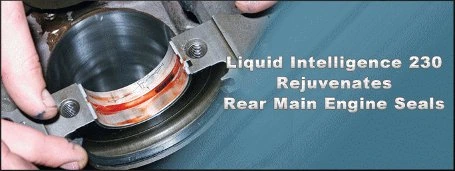
Rear main seals and front crankshaft seals
Camshaft seals, tappet cover gaskets, oil pan gaskets and O-rings
Valve stem seals, where dried seals let oil down the valve guides and cause blue smoke
Timing chain covers sealed with RTV silicone or an oil-based caulking compound
Gearbox, transmission and transfer case seals
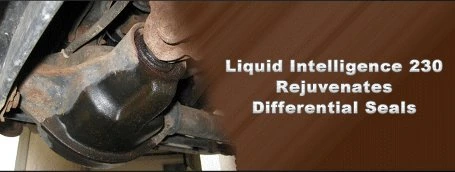
Differential seals
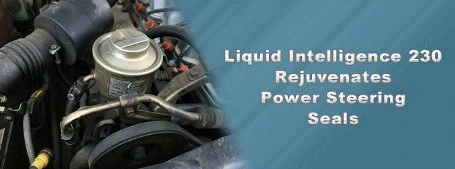
Power steering units and steering boxes
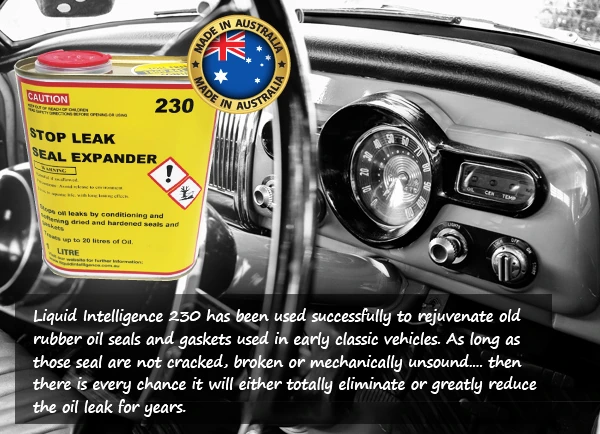
Overdrive units, such as the Laycock de Normanville overdrive fitted to many European cars from the 1950s to the 1980s
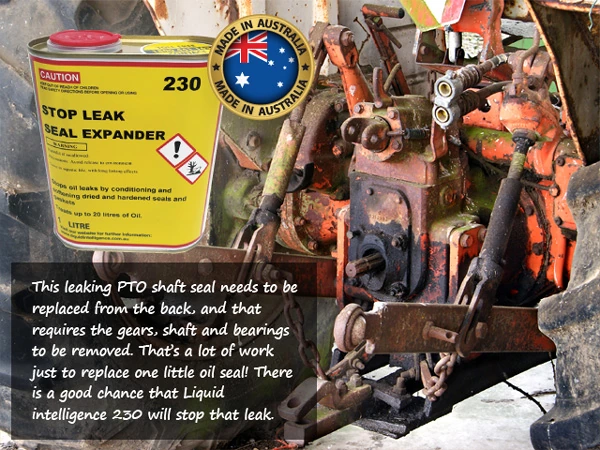
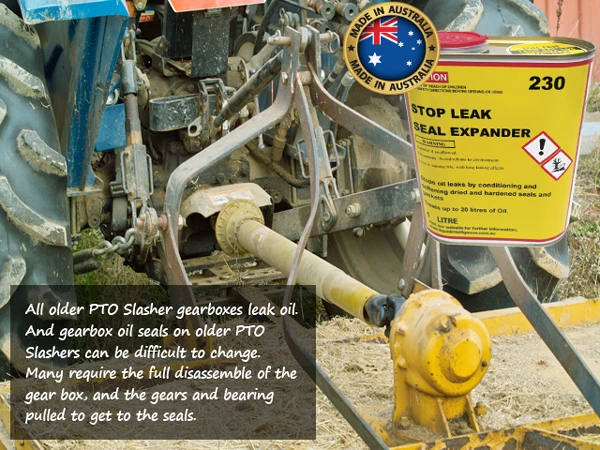
PTO slasher gearboxes
Seal materials
230 rejuvenates the rubbers used in automotive, farm, earthmoving and hydraulic seals since the 1950s: nitrile (NBR, Buna-N), styrene-butadiene (SBR), polyacrylate, polyacrylonitrile, neoprene, FKM (Viton), silicone and RTV silicone sealant. It also works on cork gaskets made since the 1970s, which are nearly always a composite of cork and rubber.
Vehicles and equipment
Vintage, classic and late-model cars; work and recreational vehicles; light and heavy commercial vehicles and road haulage; earthmoving equipment and cranes; tractors and farm machinery; forklifts; boats and ships.
When 230 won't work
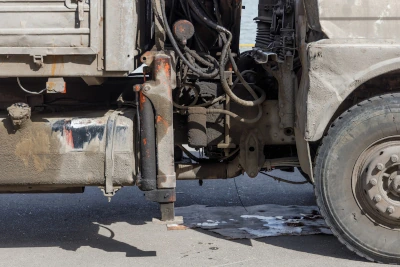
230 restores seals that have dried out and hardened. A few drops, or a small puddle each time the vehicle or equipment has been used, is that kind of leak, and worth treating with 230 before paying for a seal replacement. It can't repair a seal that is physically damaged:
Seals that are cracked, ripped, torn or gouged. Oil pours out rather than drips, and the seal needs replacing.
Seals made only of cork, rope or felt, as fitted to some older engines.
Valve stem seals that are broken rather than just hard. Broken seals make the engine smoke heavily all the time, not mainly on start-up.
230 or 230 PLUS?
Use standard 230 for leaks from engines, automatic transmissions and power steering units.
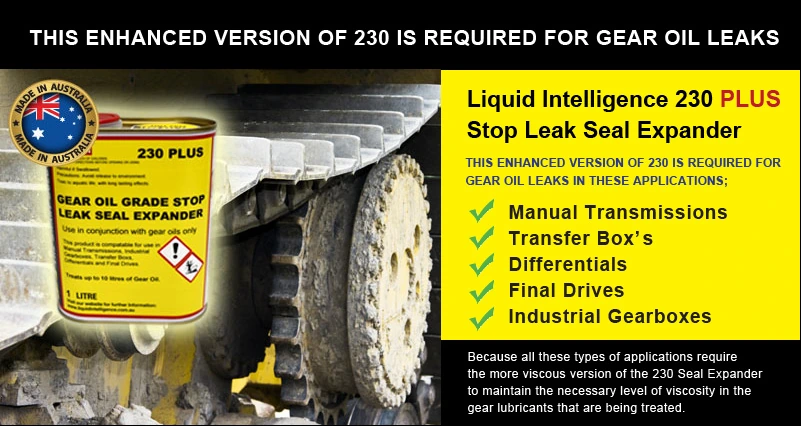
Use 230 PLUS Gear Oil Grade for anything filled with gear oil. Gear oil has to keep its viscosity, and 230 PLUS is the more viscous version of 230 made for it:
Manual transmissions
Transfer cases
Differentials
Final drives
Industrial gearboxes
230 PLUS is one of the sizes to choose from when you order.
Fitting a new seal?
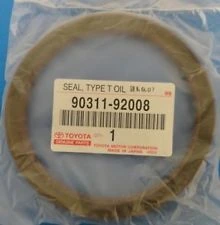
A new rear main seal straight from the packet.
A replacement seal can be nearly as old as the car it's going into. Parts often sit on a shelf for years, drying out and hardening before they are ever fitted, which is why a new rear main seal on an older car can start leaking again within a year.
Adding 230 to the oil when the new seal goes in rejuvenates it, so it lasts its full service life.
Instructions/How to Use 230
1. Change the oil first if it's due
230 stays in the oil for the life of the oil. If the oil is ready for a change, change it first, then add 230. If it has plenty of life left, just add 230 to it.
2. Add the right amount
230: 100mL per litre of oil gives the best result, and as little as 50mL per litre also works. An engine that holds 5 litres of oil takes up to 500mL. One litre treats up to 20 litres of oil.
230 PLUS: one litre treats up to 10 litres of gear oil.
Add it where you would normally top up the oil.
3. Drive or run it as normal
230 works gradually: it soaks into the seals each time the engine or gearbox reaches full operating temperature, so the leak eases over days rather than straight away. Allow 7–14 hours of accumulated running, about two weeks of normal daily driving. Older, denser seals can take longer, and some leaks stop much sooner.
4. Check progress
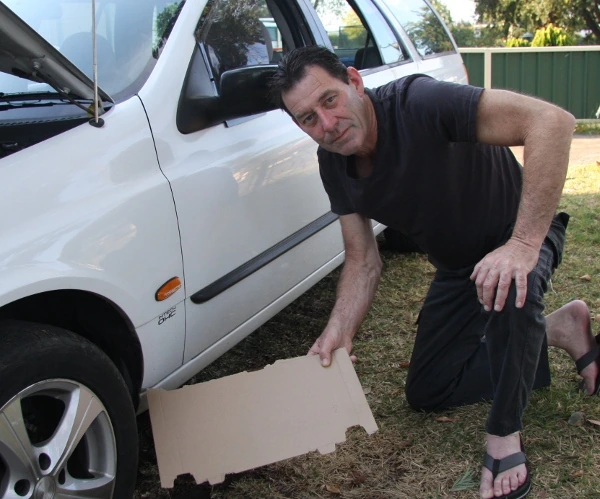
Degrease around the leak so fresh oil is easy to spot, then leave a piece of cardboard under the vehicle overnight to see what, if anything, is still dripping.
How long it lasts
Correctly applied, the effect on the seals usually lasts about two years after the next oil change. 230 can be added again as often as needed, until wear stops the seal working at all. Used at least every second oil change, it keeps seals supple and slows their ageing.
No two vehicles are quite the same, so call us before you start if you're unsure about the dose, the right grade or your particular leak. Tell us the type of vehicle or equipment, how old it is and where the leak seems to be coming from. Advice is free, 7am–7pm, seven days, on 1800 441 163, and some of our technical staff have more than 40 years' experience in the industry.
Valve stem seals and blue smoke. Blue exhaust smoke, especially on start-up, is a typical sign of dried, hardened valve stem seals. Replacing them often means taking the cylinder head off; 230 can rejuvenate seals that are hard but not broken.
Delivery
AusPost, Australia-wide from Minchinbury, NSW.
International
AusPost International. New Zealand at checkout; elsewhere, ask us for a quote.
Made here
Formulated and made in Australia.
Support
Free phone help, 7am–7pm, seven days.
✓ Prices in Australian dollars and include GST
✓ Formulated and made in Australia
✓ Free technical phone support before and after purchase
Not sure this is the right fix?
Call and describe the problem. We'll tell you honestly whether this product will solve it, before you spend a cent.
“I left a piece of cardboard under the car overnight to monitor the leak and found the next morning that the leaks had stopped.”
Read the full story
I was knocked back for registration because of a rear main seal oil leak. I left a piece of cardboard under the car overnight to monitor the leak and found the next morning that the leaks had stopped. After cleaning the engine at the local car wash I also found that an oil weep from the timing chain cover had stopped as well.
I am very happy with this Liquid Intelligence result and would recommend this product to anyone.
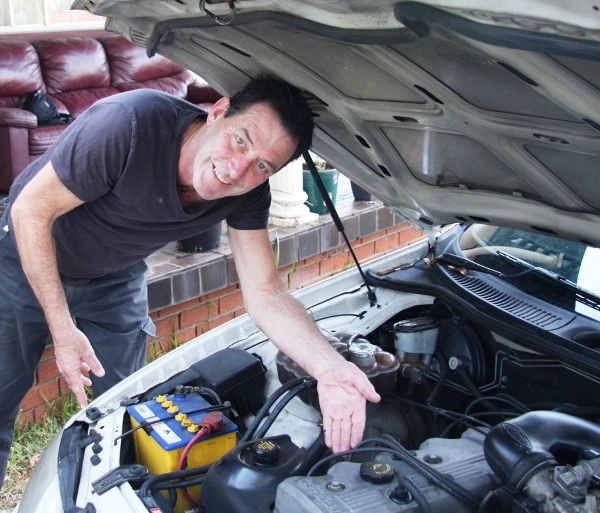
Mick Meade under the bonnet
Mick MeadeRear main seal leak · St Marys, NSW
“Kept degreasing underneath and gradually the leak got less and less, until now it is bone dry!”
Read the full story
Just wanted to let you know that your Stop Leak Seal Expander worked like a charm for me. I have an old Mitsubishi L300 4WD van, which developed a very bad oil leak, which my local mechanic told me was coming from the front crank seal. Not only was there a puddle of oil under it every time I stopped, but also the whole bottom of the van was covered in oil from blowback when driving.
My mechanic told me this would be about $800 to $1000 to repair, as the timing belt and tensioners had to all come out, and may as well be replaced at the same time, just to get to the crank seal. Also everything is very hard to get at in these vans! He told me he had heard a few good reports about your products, and it was probably worth giving it a go, and save myself a costly repair if it worked.
Well, it did!! I put 500ml in with the oil as you told me to on the phone. I reckon it took about 4 hours of driving and also I let it idle for a few hours a day for a few days. Kept degreasing underneath and gradually the leak got less and less, until now it is bone dry! Bloody amazing!! A fantastic product, and a great backup service, where you can actually speak to you on the phone about the product.
His mechanic traced the leak to the front crank seal and quoted $800 to $1000 to replace it.
Allan JeffreeMitsubishi L300 4WD van
“…after inspecting the vehicle yesterday i found all the leaks have stopped,really amazed and thankful,would have cost thousands to get this fixed at a mechanic.”
Read the full story
i purchased Liquid Intelligence 230 for my old Mitsubishi Challenger which had leaking tappet covers a leaking gearbox and leaking transfer case.It took a few weeks and a couple of hundred kilometers but after inspecting the vehicle yesterday i found all the leaks have stopped,really amazed and thankful,would have cost thousands to get this fixed at a mechanic.
thank you so much for your fantastic product.
His 20-year-old Challenger was leaking oil from several places and he had been quoted thousands to fix it.
Mark Spiers1999 Mitsubishi Challenger
More reviews (6)
“I popped about 300 mls in took it for a drive into town and when I came back no leaks!”
Read the full story
I felt compelled to write to you. I own a 94 Camry, it’s been a great car and it had started to leak oil from just about everywhere. Registration was coming up and I knew it would be a problem so found you guys on the net and gave your tele sales people a call. I couldn’t believe it you guys actually took the time to listen and give me some free advice. I decided to buy a can of the seal expander. Your people explained it would take a few days before I saw some improvement and that would continue over a couple of weeks. Peter you’re selling it short, I popped about 300 mls in took it for a drive into town and when I came back no leaks! I even rang your toll free number to tell them, they tell me that’s sometimes that happens to early Camry’s . Whatever the answer it worked for me, the car passed rego and I’m not even thinking of moving it on now.
Bill Adams1994 Toyota Camry · Albury, NSW
“I am now very pleased to report that the amount of smoke has been reduced by at least 90%”
Read the full story
I purchased LI 230 from you roughly a month ago. My 98 MX5 was blowing smoke on start up due to suspected bad valve stem seals.
The amount of smoke was a huge amount that quickly filled my garage until oil burned off. At your suggestion changed the oil from synthetic back to mineral and added 400mls of LI230. Vehicle has 158,000kms on the clock and travels approximately 40kms per week comprising of two trips. I have done 7 trips since the service.
I am now very pleased to report that the amount of smoke has been reduced by at least 90% (this is at 6am. Very cold) and very, very minimal at around 10am at first start up. Vehicle left overnight sometimes for three days. No smoke at any time whilst running.
Thank you indeed for your product!
Ron Francis1998 Mazda MX5 · Adelaide, SA
“My tappet cover on my Tarago was leaking and now after using your Liquid Intelligence 230 product it has completely stopped.”
Read the full story
I just thought I would like to leave a review for Liquid Intelligence 230 Seal Expander. My tappet cover on my Tarago was leaking and now after using your Liquid Intelligence 230 product it has completely stopped.
I have also used it on another of my vehicles successfully and it has now saved me a $1000 that I would have spent on repairs. The cars are running better, the oils leaks a fixed and I couldn’t be happier.
Burak Boyaci2003 Toyota Tarago · Merrylands, NSW
“…it has reduced my leakage significantly and there have been no issues. It has also worked wonders in the engine and steering box.”
Read the full story
I contacted you some twelve months ago to ascertain whether you were aware of problems using “230 Seal Expander in a ‘Laycock De-Normanville’ overdrive on my 1966 Volvo P1800. You had no data at the time but could see no likely issues. I just wanted to let you know that I have now been using it in the o/drive for some months and it has reduced my leakage significantly and there have been no issues. It has also worked wonders in the engine and steering box. Hope this info is of help in the future.
Dana used 230 to stem an oil leak from the overdrive unit, and the story was featured in Australian Classic Car magazine.
Dana Jennings1966 Volvo P1800 S, Laycock de Normanville overdrive
“NOT A SINGLE DROP came out. This stuff is absolutely amazing.”
Read the full story
I put 500ml of Liquid Intelligence in my oil tank as you said. I didn’t bother degreasing it, there was oil everywhere. Drove around 500km in a week and a half.
Degreased the engine today, drove it around 15km, put cardboard underneath the engine and let it idle for 30 mins. NOT A SINGLE DROP came out. This stuff is absolutely amazing. I used to get around 5 drips in different areas every 2 seconds!
I just wanted to contact you to tell you how good this worked for me. I was quoted over $2200 for new seals, cam seals, rocker cover seals…you name it. I’m going to book it in for a RWC next week, with full confidence.
Thank you for the outstanding customer service Peter, from start to finish. You have an outstanding product!
Gary rang Peter before buying to make sure 230 would suit his engine.
Gary W
“…within five hours of driving the leak has stopped dead.”
Read the full story
Used your Liquid Intelligence 230 as soon as I got it and within five hours of driving the leak has stopped dead. Very happy, has saved me thousands on engine removal and potentially replacement with another old seal.
Seal replacement on his older motor home conversion would have cost more than the bus is worth.