
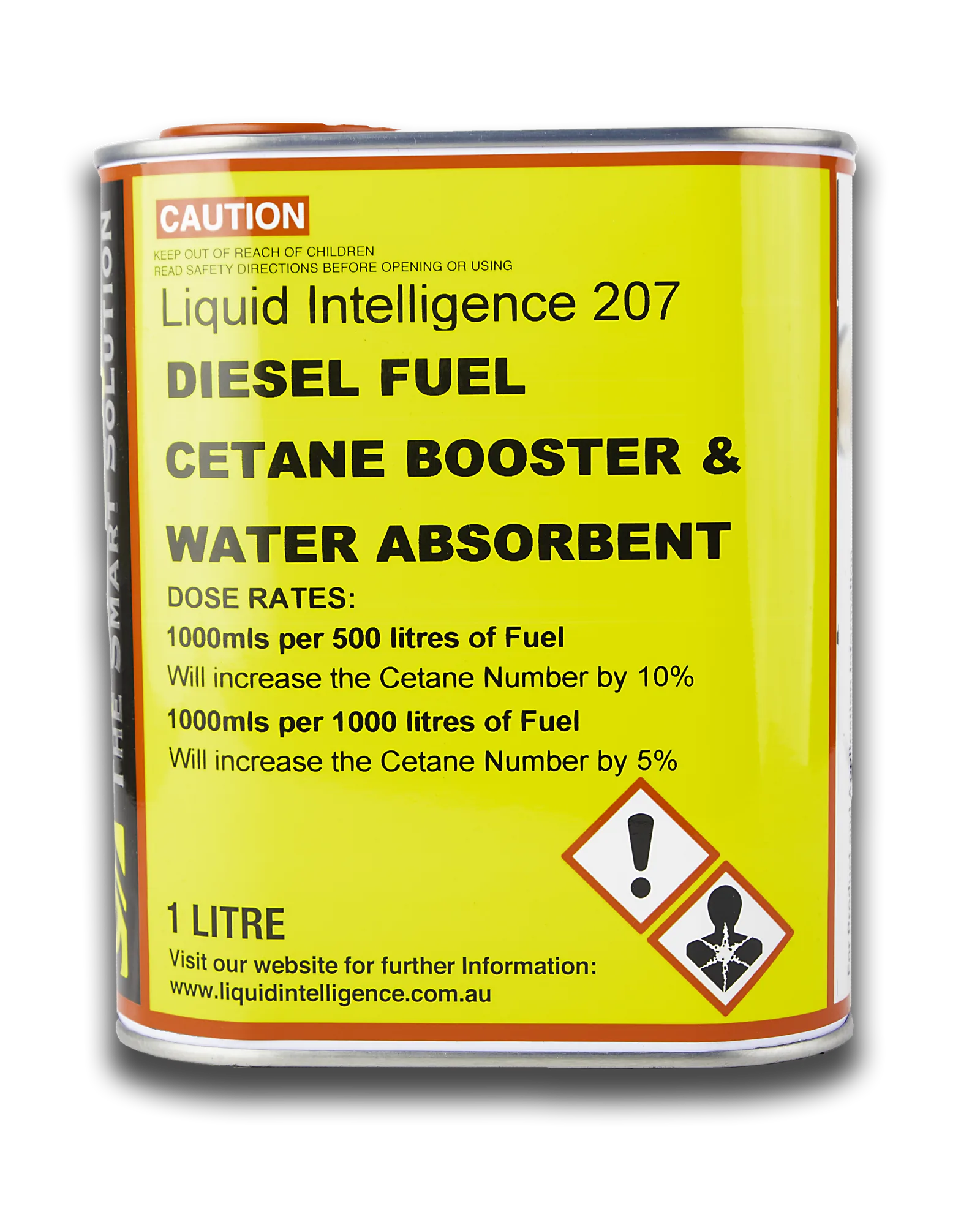
Liquid Intelligence No. 207
Diesel Cetane Booster
$144
Buy nowRevitalise your diesel's full pulling power. Raises cetane index 4–8 points.
- ✓Raises cetane index by 4–8 points
- ✓Restores pulling power and throttle response
- ✓Absorbs condensation water from tank bottoms
- ✓Suits all diesel engines
Diesel Cetane Booster
Boost Low-Cetane Diesel & Reduce DPF and Injector Carbon Build-Up
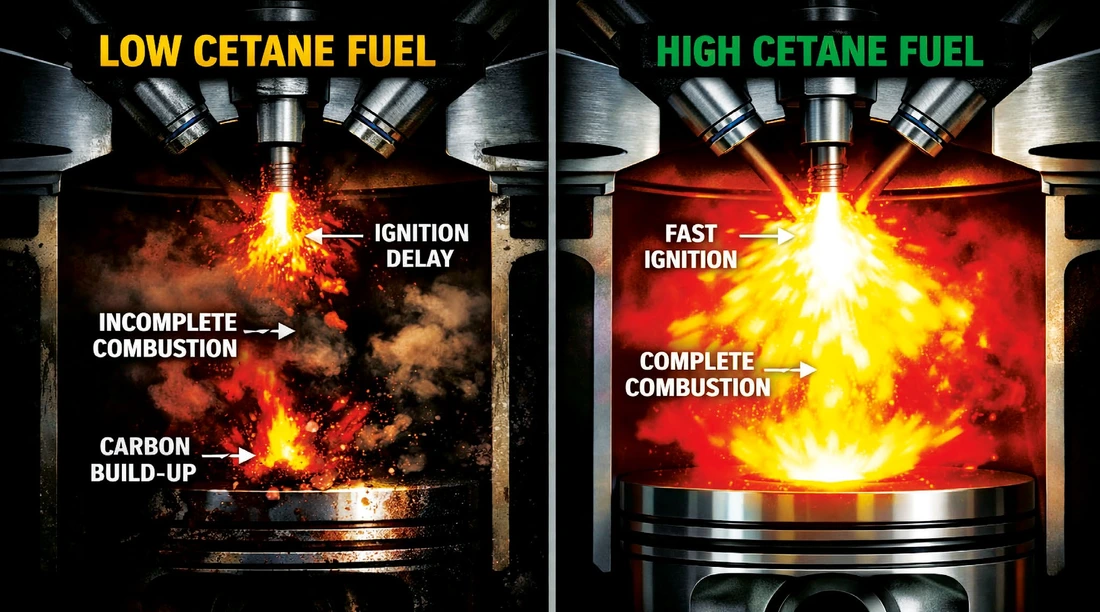
Low-cetane diesel causes delayed ignition, poor combustion, and carbon build-up in injectors and Diesel Particulate Filter systems. Cetane-boosting additives improve combustion, restore performance, and reduce harmful deposits.
The Problem
Poor Quality Low Cetane Imported Diesel Is Now Very Common
Poor-quality, low-cetane diesel fuel increases ignition delay, the critical time between fuel injection and the start of combustion. When this delay is extended, engine timing is disrupted, resulting in inefficient combustion and a range of negative performance and environmental consequences.
Imported low cetane Diesel fuel are influenced by:
- Fragmented diesel supply chains are contributing to inconsistent and highly variable fuel quality.
- Long-term fuel storage will degrade fuel quality.
- Many imported fuels only meets minimum standards specification
- Diesel/Biofuel blenders can also produce inconsistent fuel quality
Impact of Low Cetane Fuel on Combustion & Performance
- Longer Ignition Delay Cetane determines how quickly fuel ignites under compression. Lower cetane fuel increases ignition delay, meaning the fuel takes longer to ignite after injection.
- Reduced Power & Efficiency Late combustion reduces the amount of usable energy transferred to the piston, leading to a noticeable loss of power and poorer fuel economy.
- Increased Fuel Consumption With less efficient energy conversion, the engine must burn more fuel to produce the same output.
Impact on Emissions & Engine Condition
- Increased Black Smoke & Soot Incomplete combustion produces higher levels of carbon particulates, often visible as black exhaust smoke, contributing to DPF loading.
- Carbon Build-Up Fuel escapes, sealing pressure drops, and leaks develop. As a result, many diesel injection pumps are unnecessarily replaced when the real cause is simply hardened or shrunken seals that no longer maintain proper contact.
- The Result: Delayed ignition leads to inefficient combustion, increased emissions, higher operating costs, and long-term engine degradation. In many cases, what appears to be a mechanical issue is simply the result of poor ignition quality caused by low cetane fuel.
Caution
Low Cetane Diesel Fuel Causes Poor Combustion, Loss of Power and Blocked DPF Systems Which Creates Engine Problems
- Caution: Low quality low cetane diesel fuel will lead to the blockage of the Diesel Particulate Filters and injectors
- Caution: Ignoring poor fuel quality can quickly lead to inefficient combustion, increased engine stress, and reduced reliability.
- Caution: Ignoring poor fuel quality can quickly lead Carbon build up in engine intake ports and on valves
- Hard or slow starting
- Rough or uneven running
- Loss of engine power
- Increased exhaust smoke and blocked
- Wasted fuel
The Solution
Liquid Intelligence 207 Pure Cetane Combustion Improver
Faster Ignition. Cleaner Combustion Better Performance
How it works:
- Improves ignition speed and reduces delay
- Enhances combustion timing and efficiency
- Promotes a cleaner, more complete burn
- Stabilises engine performance under load
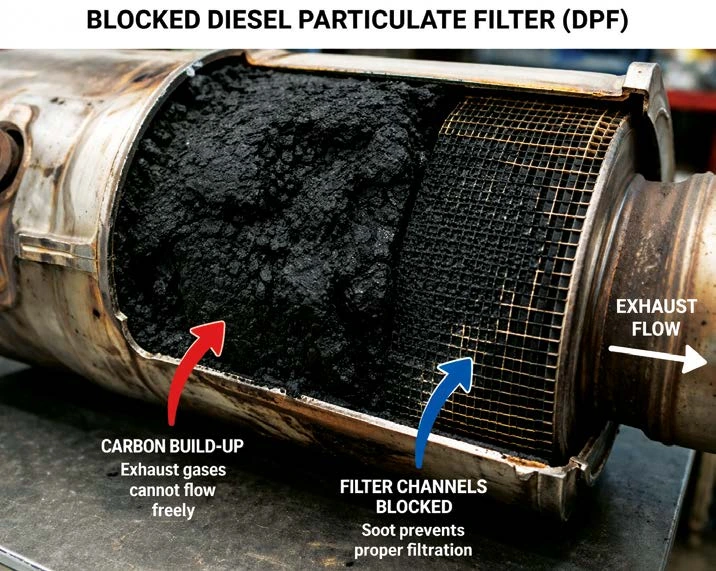
Avoid unnecessary repairs and Diesel Particulate Filters. Cleaning can cost anywhere from $1,500 to over $6,000, depending on the make and model.
replacement when the real issue is often poor fuel ignition quality, not engine failure.
Liquid Intelligence 207 improves cetane performance to help restore smooth combustion, reduce emissions, and improve overall engine efficiency, potentially saving thousands in fuel and maintenance costs.
Why cetane matters
The cetane index measures diesel's ignition quality, like the octane rating of petrol. A diesel engine relies on the fuel igniting under compression, and the cetane number shows how easily, smoothly and completely it will. Standard Australian pump diesel usually has a minimum cetane number of around 40. Engines running on diesel above 46 tend to accelerate better and produce fewer emissions and less carbon.
Below 42, you can get:
- Carbon build-up on intake valves and in the EGR system and diesel particulate filter, hampering the engine and its emission controls
- Excess emissions of unburnt hydrocarbons and particulates
- Knocking, extra engine noise and vibration
- Rough running and rough idling
- Less power and higher fuel consumption
Those carbon deposits are the by-product of incomplete combustion.
Liquid Intelligence 207 Cetane Booster: Essential for the Performance, Efficiency and Reliability of Modern Diesel Vehicles
Modern diesel passenger vehicles are more sophisticated than ever before, but with that sophistication comes increased complexity and higher repair costs. Components such as Diesel Particulate Filters (DPFs), high-pressure injectors, EGR systems, turbochargers, and emissions control equipment are all highly sensitive to fuel quality and combustion efficiency.
For most late-model diesel owners, the biggest concerns are avoiding expensive DPF problems, injector fouling, excessive soot and carbon build-up, emissions system failures, inconsistent fuel quality, and rising maintenance costs. At the same time, drivers want smooth performance, good fuel economy, quieter operation, and reliable engine response.
This is where cetane improvement can play an important role. By promoting faster, cleaner, and more complete combustion, a quality cetane improver can help reduce soot formation, support cleaner injector operation, assist DPF performance, and improve overall combustion efficiency. The result can be a smoother-running engine, more consistent performance, and potentially lower long-term maintenance costs.
In short, modern diesel owners are increasingly looking for ways to protect expensive engine and emissions components while maintaining performance and fuel efficiency. Improving cetane quality is one of the simplest and most effective ways to help achieve that.
From DPF Problems to Fuel Economy: 40 Compelling Reasons to Use Liquid Intelligence 207 Cetane Booster
Tier 1: Major Benefits (Most Important)
- Helps Protect Diesel Particulate Filters (DPF)
Cleaner combustion means less soot production, reducing DPF loading and potentially lowering the frequency of expensive regeneration cycles and DPF-related problems. - Improves Combustion Efficiency
Higher cetane promotes faster, more complete fuel burn, helping the engine run smoother and more efficiently. - Supports Modern High-Pressure Injection Systems
Modern common-rail diesels rely on extremely precise injection timing and combustion. Better cetane helps ensure more predictable ignition and smoother injector performance. - Reduces Carbon and Soot Build-Up
Cleaner combustion helps minimise deposits on injectors, EGR systems, turbochargers, intake systems, and combustion chambers. - Helps Compensate for Poor-Quality or Low-Cetane Fuel
Fuel quality varies significantly. Cetane improvers help stabilise performance when diesel quality is inconsistent or marginal. - Reduces Exhaust Smoke and Emissions
Better combustion reduces soot, particulate matter, and visible exhaust smoke. - Assists DPF Regeneration
Lower soot loading helps DPF regeneration occur more effectively and may reduce blockages. - May Reduce Long-Term Maintenance Costs
Reduced carbon deposits may contribute to lower maintenance costs over time. - Supports Low-Emission Engine Calibration
Modern Euro 5 and Euro 6 diesels are tightly calibrated for emissions compliance and benefit from consistent combustion quality. - Helps Optimise Combustion in Euro 5 and Euro 6 Engines
Higher cetane helps modern engines operate closer to their intended performance and emissions standards.
Tier 2: Strong Practical Benefits
- Can Improve Fuel Economy
- Improves Engine Response and Driveability
- Reduces Diesel Knock and Engine Noise
- Improves Cold Starting
- Supports More Efficient Multiple Injection Events
- Minimises Injector Fouling
- Supports Cleaner EGR System Operation
- Improves Turbocharger Cleanliness
- Enhances Overall Refinement of Modern Diesel Engines
- Reduces Combustion Lag
- Can Reduce Soot Loading in Engine Oil
- Can Help Reduce Regeneration Frequency in Urban Driving
- Improves Combustion During Engine Warm-Up
- Helps Reduce Hesitation During Acceleration
- Can Reduce Engine Wear Associated with Harsh Combustion
Tier 3: Situational but Valuable Benefits
- Can Improve Performance Under Load
Especially useful when towing, carrying heavy loads, or climbing long grades. - Useful for Vehicles Driven Mainly on Short Trips
- Useful for Vehicles That Spend Long Periods Idle
- Improves Fuel Stability in Marginal Conditions
- Improves Consistency Between Fuel Batches
- Enhances the Effectiveness of Premium Diesel Fuels
- Improves Idle Quality
- Helps Reduce Engine Vibration
- Reduces Smoke on Start-Up
- Reduces Stress on Starter Motors and Batteries
- Provides Additional Confidence When Travelling in Remote Areas
- Can Improve Driver Confidence and Comfort
- Helps Maintain Factory Performance Standards
- Improves Combustion at High Altitudes
- Helps Reduce Exhaust Odour

How to improve imported diesel
Can Liquid Intelligence 207 Cetane Concentrate Improve High-Sulphur Diesel?
Understanding the role of Liquid Intelligence 207 when used with poor-quality sulphur diesel fuel.
In Australia, diesel fuel quality remains highly variable. Currently, one of the most common issues is high-sulphur diesel, often exceeding 10–15 ppm and, sometimes, significantly higher. This type of fuel falls well outside the specifications required for modern diesel engines designed to meet Euro 5 and Euro 6 emission standards.
These engines rely on advanced after-treatment systems, such as Diesel Particulate Filters (DPF) and Selective Catalytic Reduction (SCR), which are engineered to operate on Ultra-Low Sulphur Diesel (ULSD), typically 10 ppm or less.
Using high-sulphur fuel in these engines introduces serious challenges.
The Problem with High-Sulphur Diesel
High sulphur content does not just affect emissions, it fundamentally alters how the engine and its after-treatment systems perform:
- Catalyst poisoning: Sulphur coats and deactivates catalysts in SCR and DOC systems
- DPF loading: Increased ash and soot accelerate filter blockage
- Higher emissions: Increased sulphur dioxide (SO2) and particulate output
- Combustion inefficiency: Often associated with lower cetane quality
The result is reduced performance, increased maintenance, and significantly higher operating costs.
Where Cetane Comes In
While sulphur is a chemical element that cannot be removed by additives, another major issue with poor diesel is low cetane quality, and this is where Liquid Intelligence 207 plays a critical role.
Cetane number determines how quickly fuel ignites after injection. Poor-quality, high-sulphur fuels often suffer from low cetane, leading to:
- Delayed ignition
- Incomplete combustion
- Increased soot and carbon formation
- Rough running and loss of power
How Liquid Intelligence 207 Helps
Liquid Intelligence 207 Cetane Improver is designed to restore ignition quality and improve combustion efficiency in poor diesel fuels.
Key Effects:
- Reduces ignition delay for faster, more controlled combustion
- Improves combustion efficiency, extracting more energy from each injection
- Reduces soot formation, helping to slow DPF loading
- Lowers engine-out emissions, including CO, HC, and particulate matter
- Improves cold starting and engine smoothness
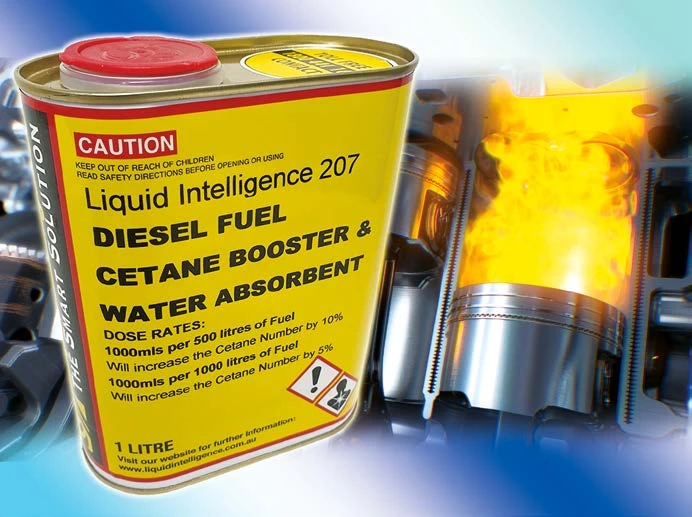
By improving the combustion event itself, 207 helps the engine operate closer to its intended design parameters, even when fuel quality is sub-standard.
Measured Benefits in Poor Fuel Conditions
When cetane quality is improved:
- Particulate Matter (PM) decreases due to more complete combustion
- Carbon Monoxide (CO) is reduced
- Unburnt hydrocarbons (HC) are lowered
- Engine noise and knock are reduced
- Fuel efficiency can improve due to better energy conversion
These improvements can be particularly valuable when fuel quality is a problem.
The Limitations (What 207 Cannot Do)
It’s important to be clear:
No additive can remove sulphur from fuel.
This means:
- Sulphur will still damage DPF and SCR systems over time
- Catalyst poisoning will still occur
- Long-term use of high-sulphur fuel in Euro 5/6 engines will still lead to component failure
The Practical Reality
In an ideal world, only ULSD would be used.
But in reality, many of us in Australia have no choice. we have to use what’s available.
In these situations, Liquid Intelligence 207 is not a cure, but it is a critical mitigation tool.
It helps by:
- Improving combustion quality immediately
- Reducing the rate of soot and carbon formation
- Lowering engine stress and inefficiency
- Helping maintain drivability and performance

Conclusion
High-sulphur diesel fuel presents serious challenges for modern engines, particularly those fitted with DPF and SCR systems. While a cetane improver cannot eliminate sulphur or prevent long-term emissions system damage, it can significantly improve how the fuel burns inside the engine.
Liquid Intelligence 207 restores ignition quality, promotes cleaner combustion, and reduces many of the immediate negative effects associated with poor-quality diesel.
In environments where fuel quality is inconsistent or below specification, it becomes an essential tool, not as a complete solution, but as a way to reduce damage, improve performance, and extend service life wherever possible.
Stored, old and homemade fuel
Diesel doesn't keep as long as you might think. Studies have found it starts to oxidise and degrade within 28 days of storage, and on average it lasts only about 12 months. To keep stored diesel in good condition, treat it with a biocide such as 201 and with 207 for long-term stability. Diesel stored for a year or more will already have lost cetane, giving higher emissions and poorer performance; 207 revitalises it.
Homemade biodiesel, made from vegetable oils or animal fats, varies in quality and cetane rating with the feedstock and process. Poorly processed biodiesel carries impurities that clog injectors, and it oxidises and degrades over time. 207 lifts its cetane number, helps reduce those deposits, and greatly extends its shelf life.
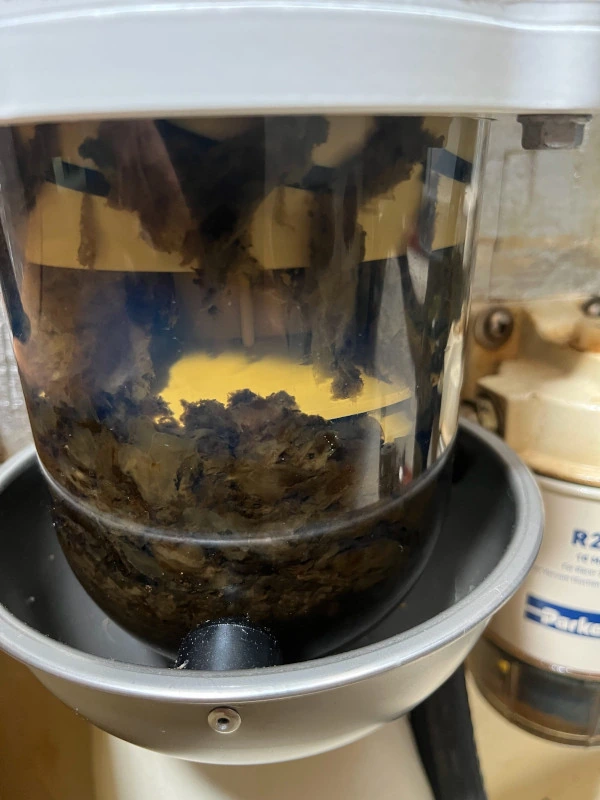
Diesel bug degrades fuel and lowers its cetane, giving very poor combustion, less power and far more emissions. Once the bug has been eradicated, 207 restores the fuel's combustion efficiency.
How it removes water from the tank
Free water at the bottom of a fuel tank creates the fuel and water interface where microbes grow and make the slime that plugs fuel filters and lines. 207 removes it.
Diesel is made almost entirely of molecules with no electrical charge, while water molecules carry both a positive and a negative charge. 207's formula carries both too, so it acts as a coupling agent, bonding fuel, water and additive into one even mixture. The water is dispersed through the fuel in micro- or nano-sized particles, passes harmlessly through the fuel system, and vaporises into steam in the combustion chambers.
Instructions/How to Use 207
- 1 part 207 to 1,000 parts diesel raises the cetane index by 4 points.
- 1 part to 500 raises it by 8 points.
or 4 interest-free payments of $36 with 
Secure checkoutVisa
- ✓ Prices in Australian dollars and include GST
- ✓ Direct from the manufacturer: formulated and made in Minchinbury, NSW
- ✓ Free technical phone support before and after purchase
Free expert help
Questions about your vehicle, or how to get the best result? Call Peter, who formulated it.
Call 1800 441 163Or 02 8188 2060 · 7am–7pm, seven days
More diesel & industrial
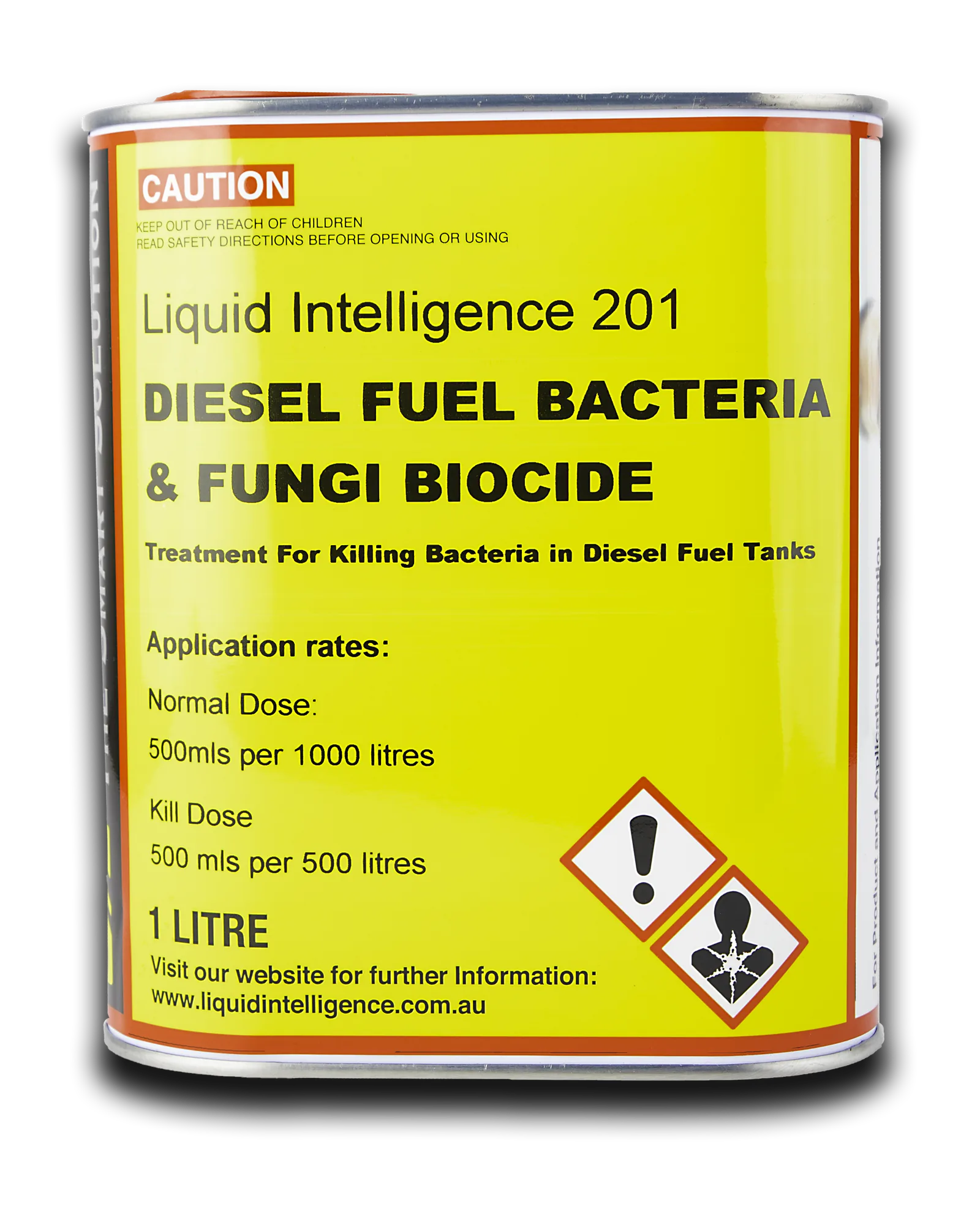
Diesel Fuel Biocide
One of the most advanced broad-spectrum diesel biocides on the market.
from$114
Microbial Field Test Kit
Detect bacteria, yeast and mould contamination in your diesel fuel.
$39
Hydraulic Oil Biocide
Prevents, eradicates and controls bacterial infection in hydraulic oil tanks.
$154
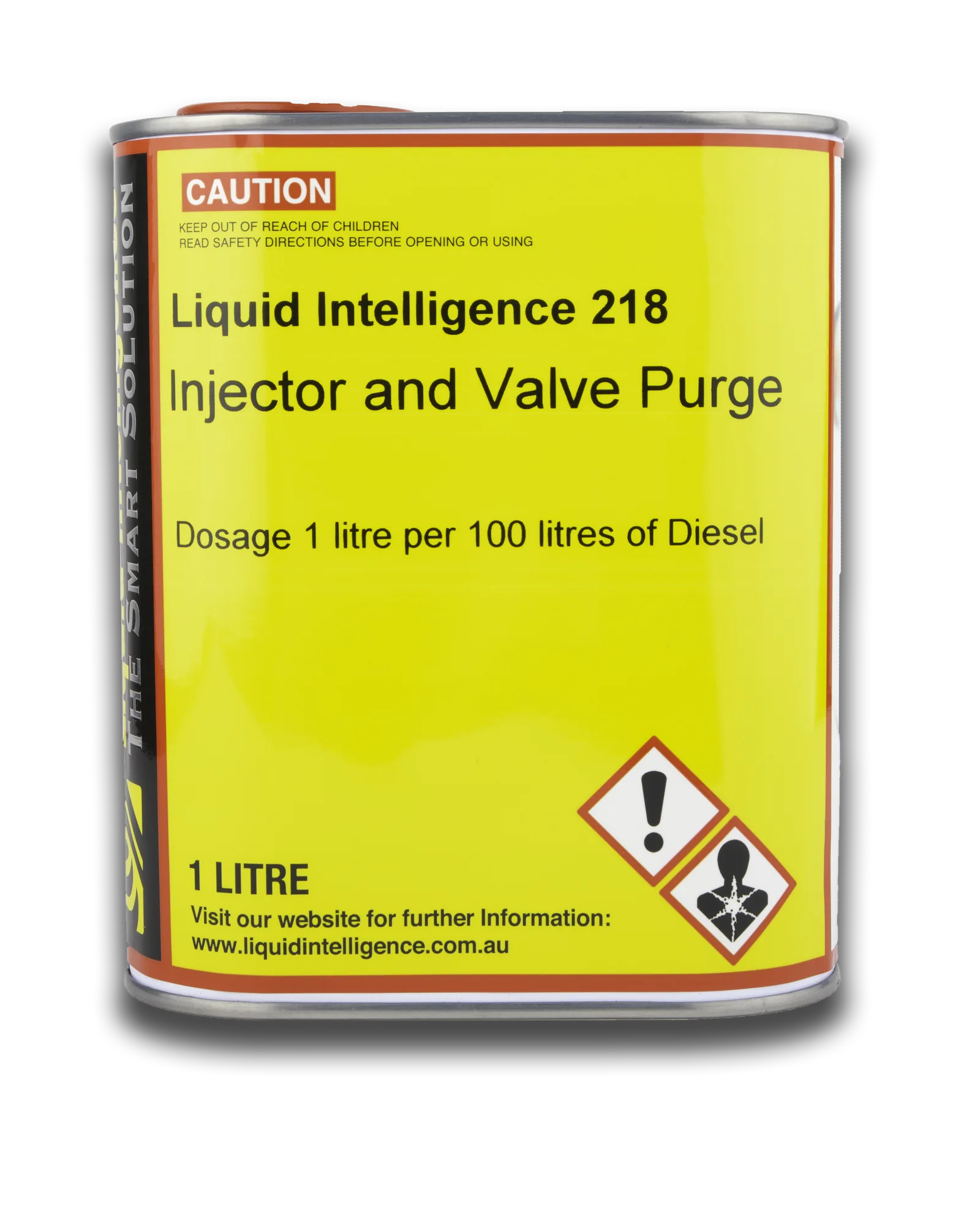
Diesel Purge & Restore
Cleans injectors, rings and combustion chambers. One dose per 50,000km.
$96