
Liquid Intelligence No. 243
Radiator Stop Leak Kit
The strongest and safest radiator fix on the market today.
- ✓Particle dissolving technology, never blocks passages
- ✓Seals holes to 0.50mm, cracks to 0.60mm
- ✓Treats up to 10 standard cooling systems
- ✓The strongest and safest radiator fix available
Radiator Stop Leak Kit
Liquid Intelligence 243 seals leaks in radiators, heater matrixes and cooling systems, then dissolves the particles left over, so it never blocks radiator flutes, heater matrixes or coolant channels.
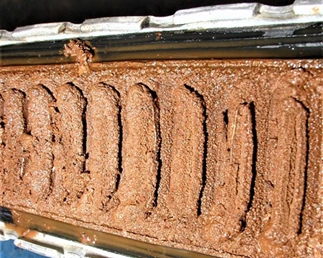
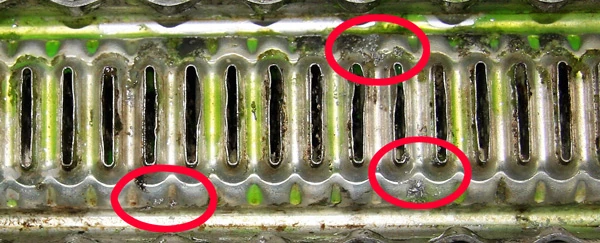
Thirty minutes of engine operation is all it takes to seal a leak: holes up to 0.50mm, and slits and cracks up to 0.60mm. The seal can last for years.
It mixes with coolant, water, or water with a corrosion inhibitor, and is also recommended with waterless coolant. One 400 gram container treats ten standard cooling systems or five large ones.
Where to use it
243 repairs leaking radiators, hoses, heater cores, Welsh plugs, water jacket cracks and head gasket seepage, in vintage, classic and modern vehicles. It's also used in light and heavy commercial vehicles, road haulage, earth-moving equipment, cranes, heat exchangers, diesel generators, forklifts and farm machinery.
The only fix professional mechanics recognise for a cooling system leak is a proper repair. When a workshop repair isn't possible, for one reason or another, 243 is the next best option.
How it seals without blocking
A traditional radiator stop leak is, in essence, a foreign contaminant. It may seal the hole, but 99% of its sealing particles are left over in the cooling system, where they can plug cooling passages, radiators and heater matrixes and cause overheating. 243 seals the leak and then dissolves what's left.
1. The particles travel to the leak
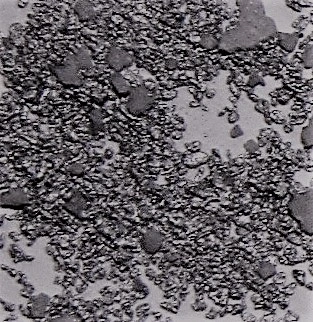
243 is a blend of coated, dissimilar metal particles (magnesium, aluminium, brass, copper and bronze) from 10 to 400 microns, with synthetic resin sealers. The particles are light enough to stay in suspension in the cooling system until the coolant carries them to the leak.
2. A solid seal forms in the breach
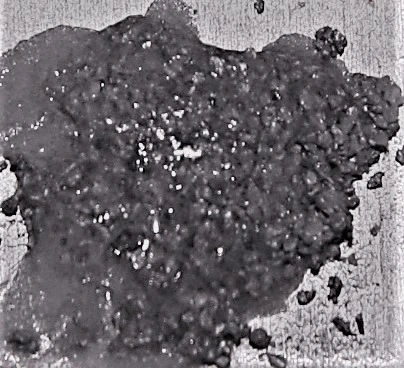
The particles are forced into the breach with the escaping coolant and block it, while the resin sealers slowly react and congeal around them. The resin hardens into a reinforced, dense, solid particle cluster inside the breach: a seal with a history of lasting for years.
3. The leftover particles dissolve
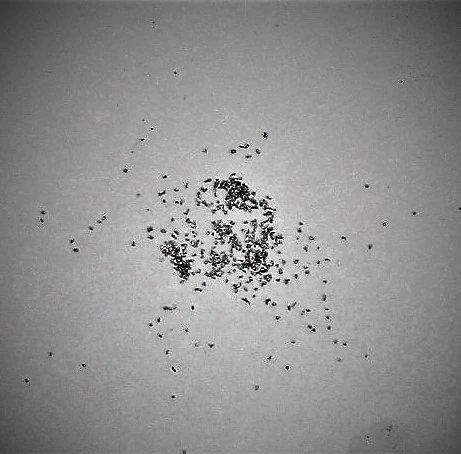
The particles still circulating after the leak is sealed dissolve away. The metals have different electrode potentials, so when two particles come close together in the coolant they form an electrochemical cell, one acting as the anode and the other as the cathode. Over a couple of weeks the reaction dissolves the less noble particles, leaving very little of the original dose. That's why 243 won't block heater matrixes, radiator flutes or coolant channels.
Instructions/How to Use 243
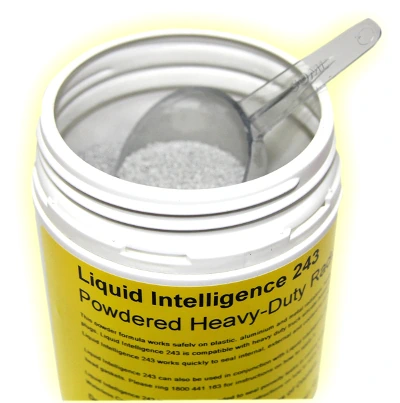
- Add one spoonful of 243 for every 5 litres of radiator water. A full 400 gram container treats 50 litres.
- Run the engine: thirty minutes of engine operation is all it takes to seal a leak.
- ✓ Prices in Australian dollars and include GST
- ✓ Formulated and made in Australia
- ✓ Free technical phone support before and after purchase
Not sure this is the right fix?
Call and describe the problem. We'll tell you honestly whether this product will solve it, before you spend a cent.
Call 1800 441 163Or 02 8188 2060 · 7am–7pm, seven days
More stop leak & repair
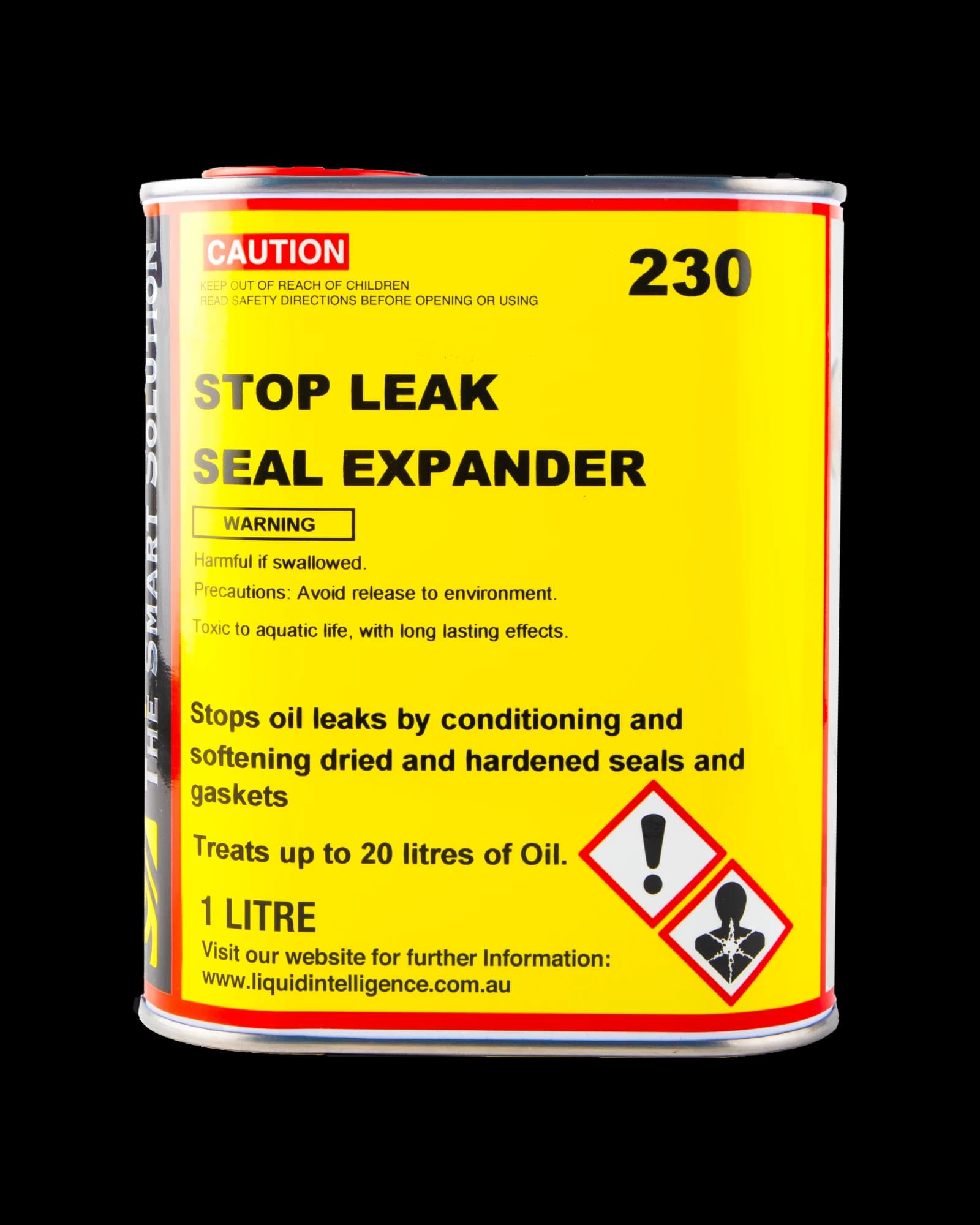
Stop Oil Leak Seal Expander
Rejuvenates dried, hardened seals to stop oil leaks, success rate greater than 95%.
from$143
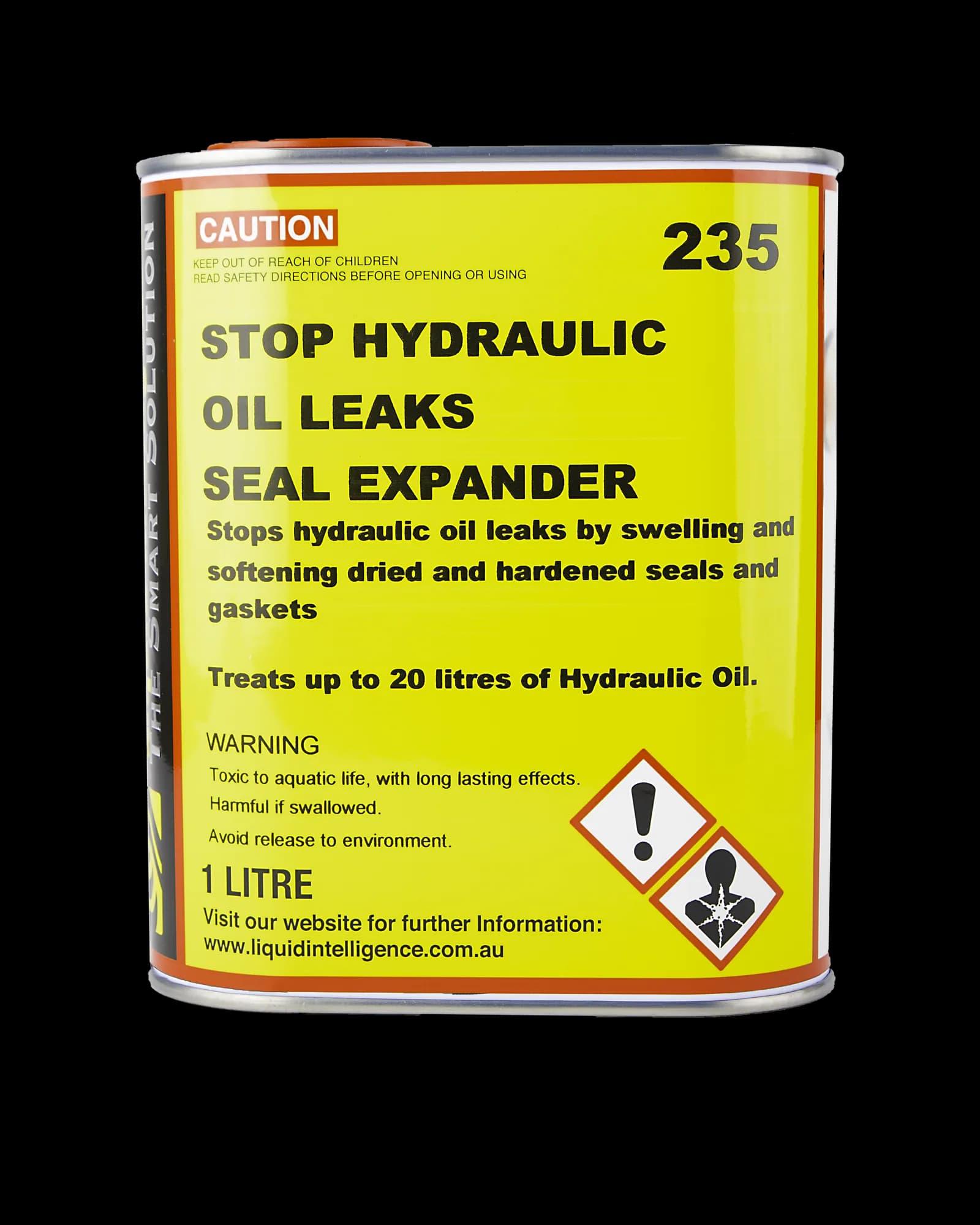
Hydraulic Stop Leak
Permanently stops hydraulic oil leaks in rams, pumps and systems.
from$154
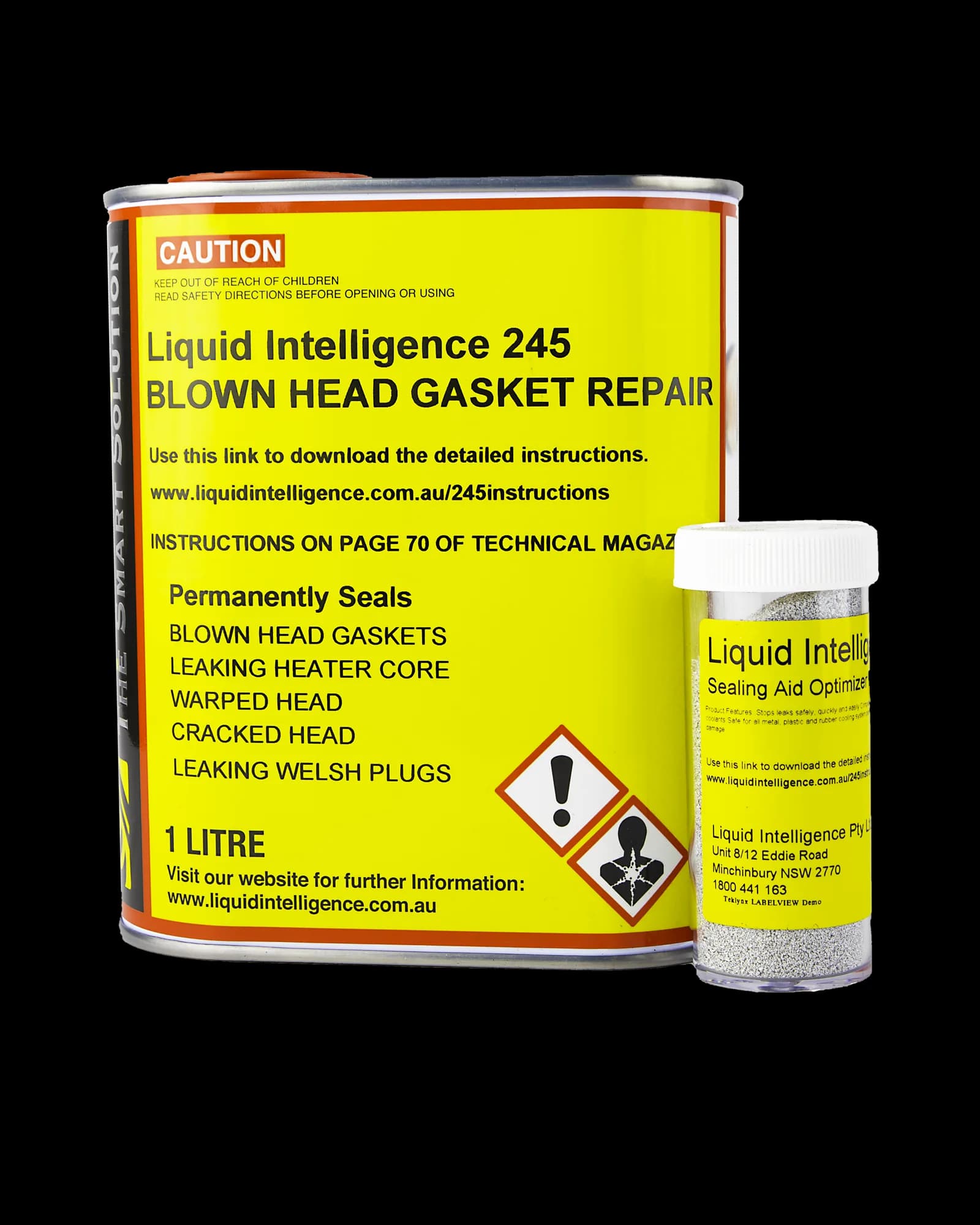
Blown Head Gasket Repair
Repairs blown head gaskets without dismantling the engine. Results in minutes.
from$111
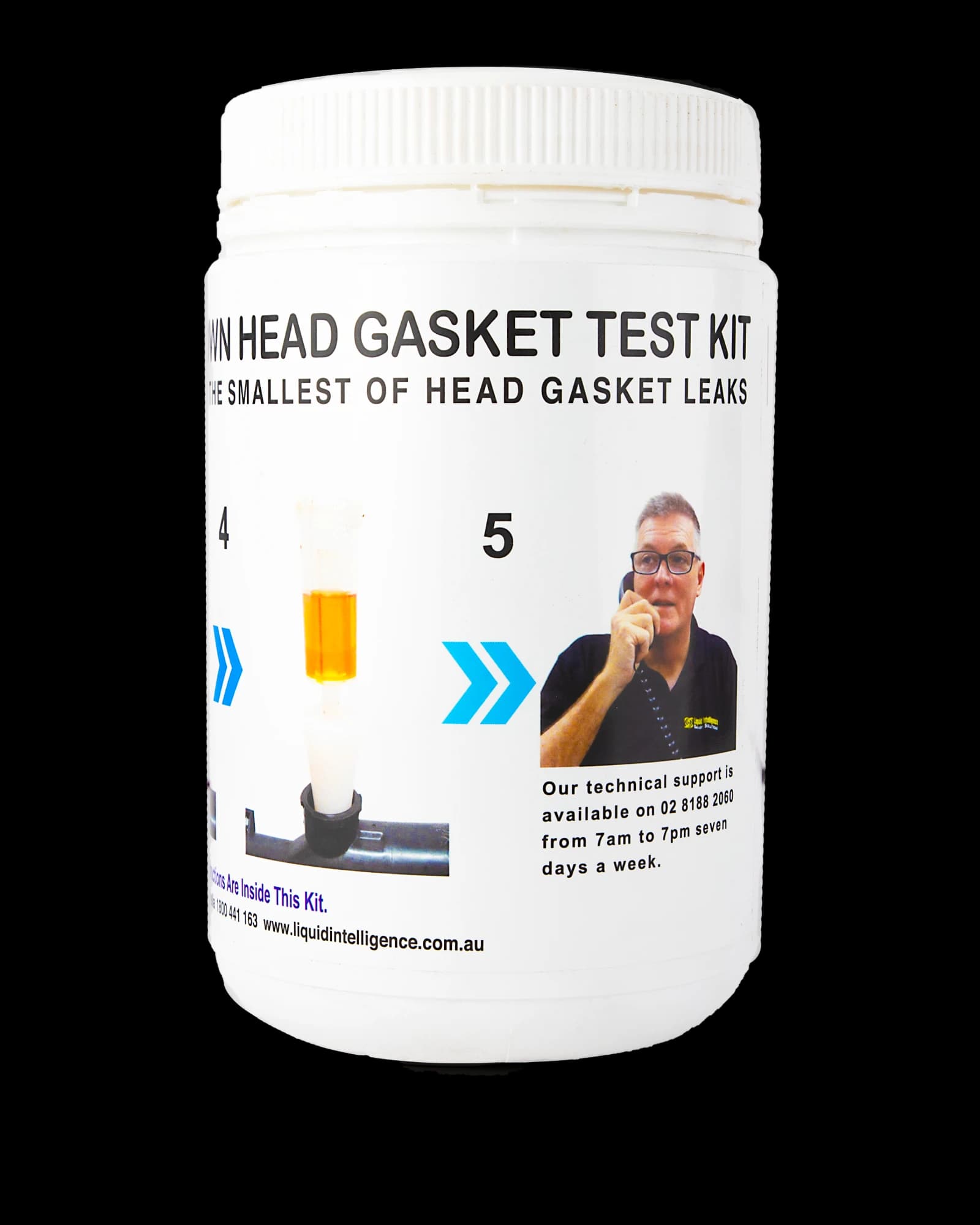
Head Gasket Test Kit
Detects even small head gasket breaches, tests up to 20 vehicles.
$69
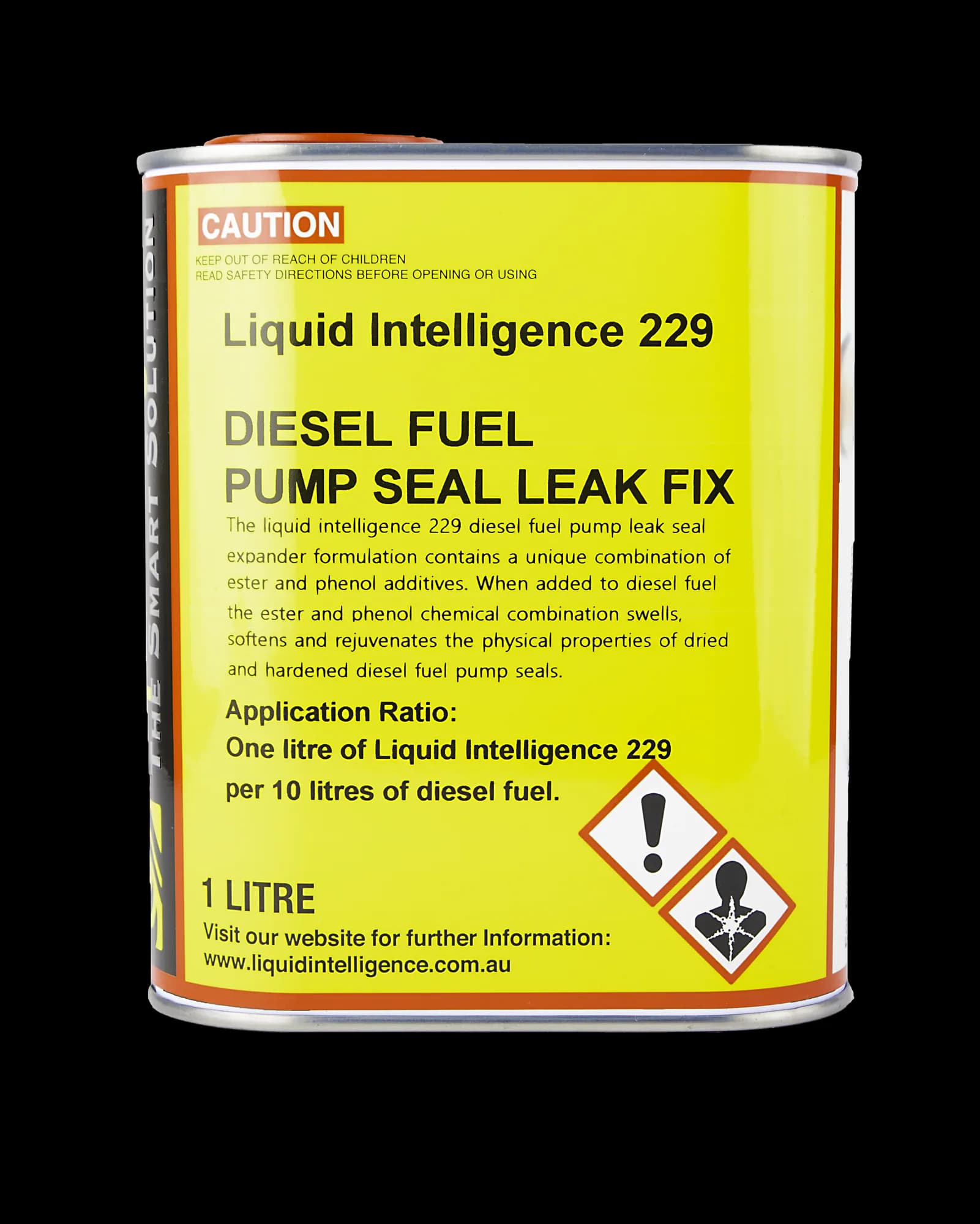
Diesel Pump Seal Leak Fix
Fixes diesel fuel pump leaks by rejuvenating nitrile pump seals.
$154