
Liquid Intelligence No. 206
Hydraulic Oil Biocide
Prevents, eradicates and controls bacterial infection in hydraulic oil tanks.
- ✓Eradicates bacteria and fungi in hydraulic oil
- ✓Prevents microbial corrosion and sludge
- ✓Trusted by mining, petroleum and shipping
- ✓Professional industrial strength
Hydraulic Oil Biocide
Liquid Intelligence 206 prevents, eradicates and controls bacterial and fungal infections in hydraulic oil tanks, before biofilm slime degrades the oil and damages the equipment.
It's a highly active blend of three biocides: chloromethylisothiazolinone, isothiazolinone and di-n-decyldimethylammonium chloride. Each is very effective against the known variants of bacteria, fungus and yeast found in hydraulic oil (about 60 fungus and yeast variants, and several bacterial mutations), and together they make an aggressive, broad-spectrum biocide.
Used across mining, petroleum, shipping and heavy industry to protect hydraulic systems from microbial corrosion and filter-blocking sludge.
How bacteria grow in hydraulic oil
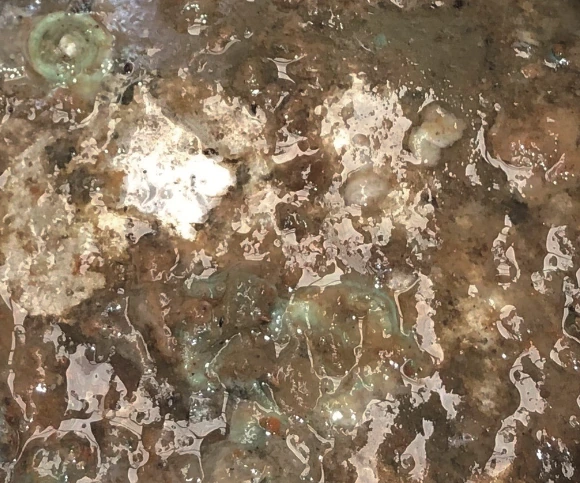
The tank pictured at the top of the page is an extreme case: densely packed communities of microorganisms that have surrounded themselves with secreted polymers, forming a three-dimensional slimy matrix called biofilm.
Any ageing hydraulic system can become a perfect place for bacteria, yeast and fungus to grow. The oil gives them food (carbon, nitrogen and phosphorus), water in the tank gives them oxygen, and the dark, warm (24°C to 50°C), low-flow areas of a reservoir let them flourish.
It usually starts with contaminants and condensation coming in with the air through the breather cap. The condensation settles as free water in the bottom of the tank, and the microorganisms grow where the oil (their food and warmth) meets the water (their oxygen). They can also come in with water or contaminated additives, and some hydraulic fluids absorb water from the air. Some are very virulent, forming slimy biofilm within days of infection.
What it does
- Biofilm slime blocks filters and fluid passages, interferes with components and adds to wear.
- Acids from the microbes raise the oil's acidity, degrading it and speeding up corrosion of metal parts.
- Foul odours come from their metabolic by-products.
Keep the system clean and control water getting in, and use 206 to prevent or eradicate the growth. For diesel fuel, see 201 Diesel Fuel Biocide.
Instructions/How to Use 206
- To eliminate a developed infection of bacteria, yeast or fungus: 1 litre of 206 per 1,000 litres of oil.
- Maintenance dose: 1 litre per 2,000 litres of oil.
- ✓ Prices in Australian dollars and include GST
- ✓ Formulated and made in Australia
- ✓ Free technical phone support before and after purchase
Not sure this is the right fix?
Call and describe the problem. We'll tell you honestly whether this product will solve it, before you spend a cent.
Call 1800 441 163Or 02 8188 2060 · 7am–7pm, seven days
More diesel & industrial
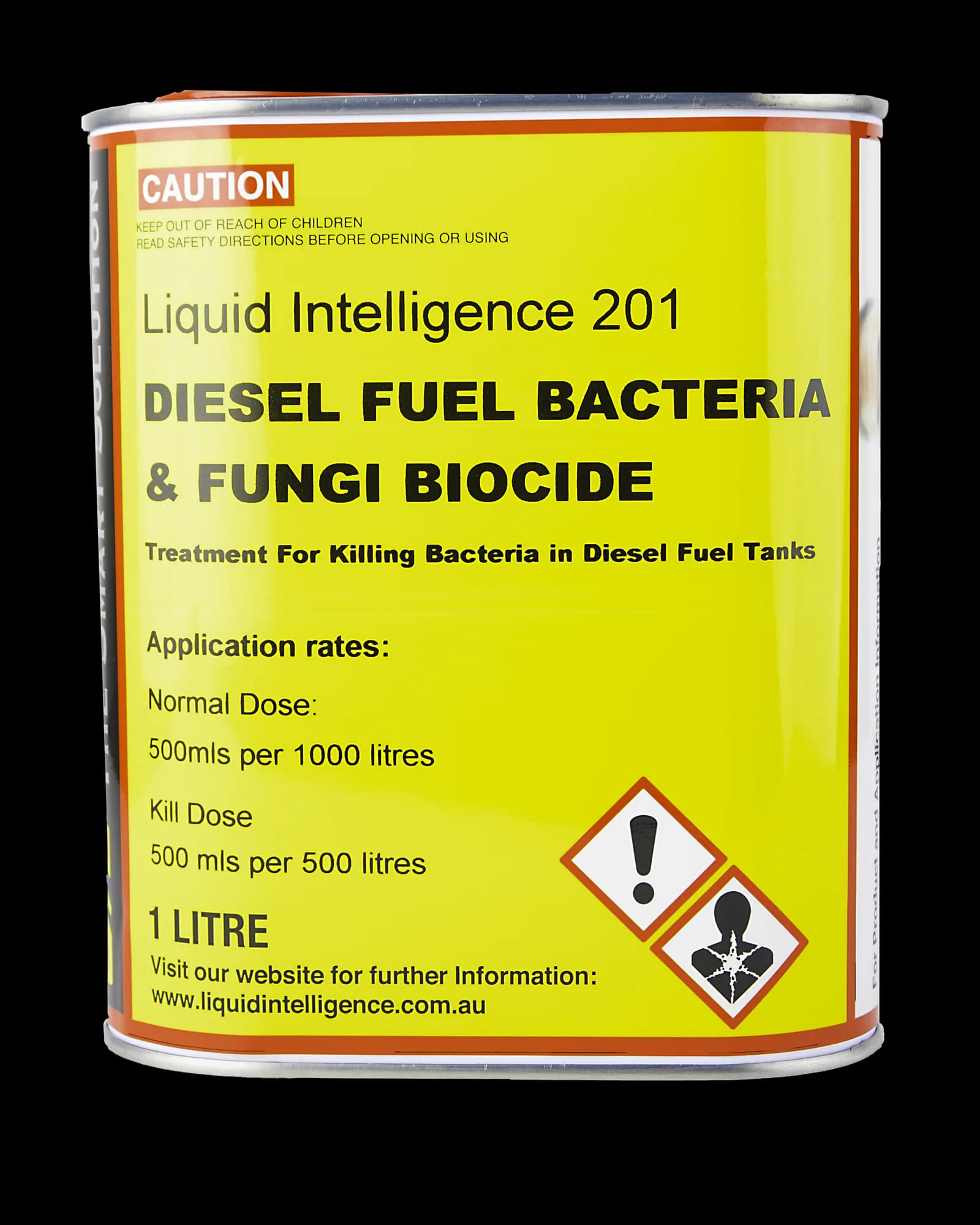
Diesel Fuel Biocide
One of the most advanced broad-spectrum diesel biocides on the market.
from$114
Microbial Field Test Kit
Detect bacteria, yeast and mould contamination in your diesel fuel.
$39
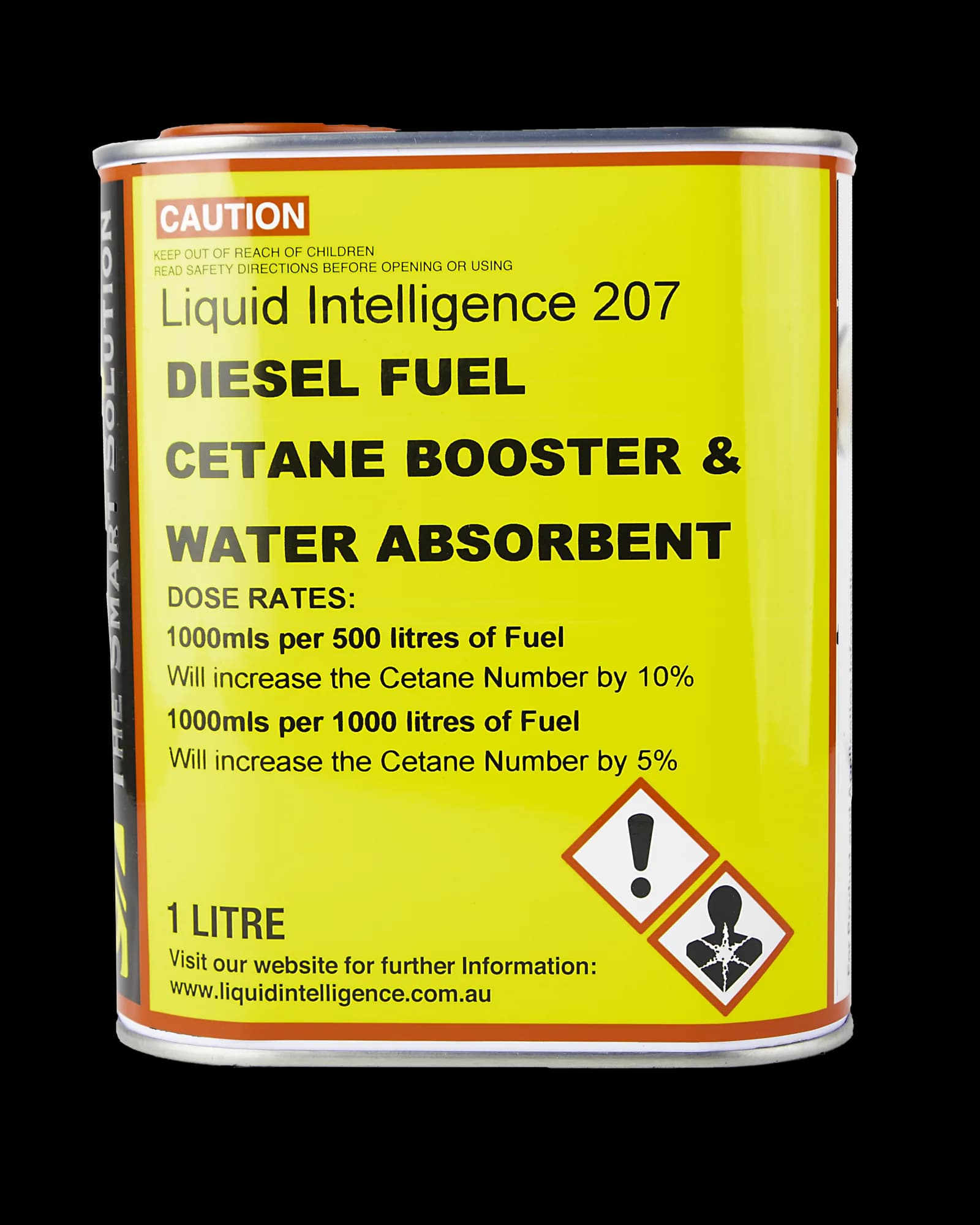
Diesel Cetane Booster
Revitalise your diesel's full pulling power. Raises cetane index 4–8 points.
$144
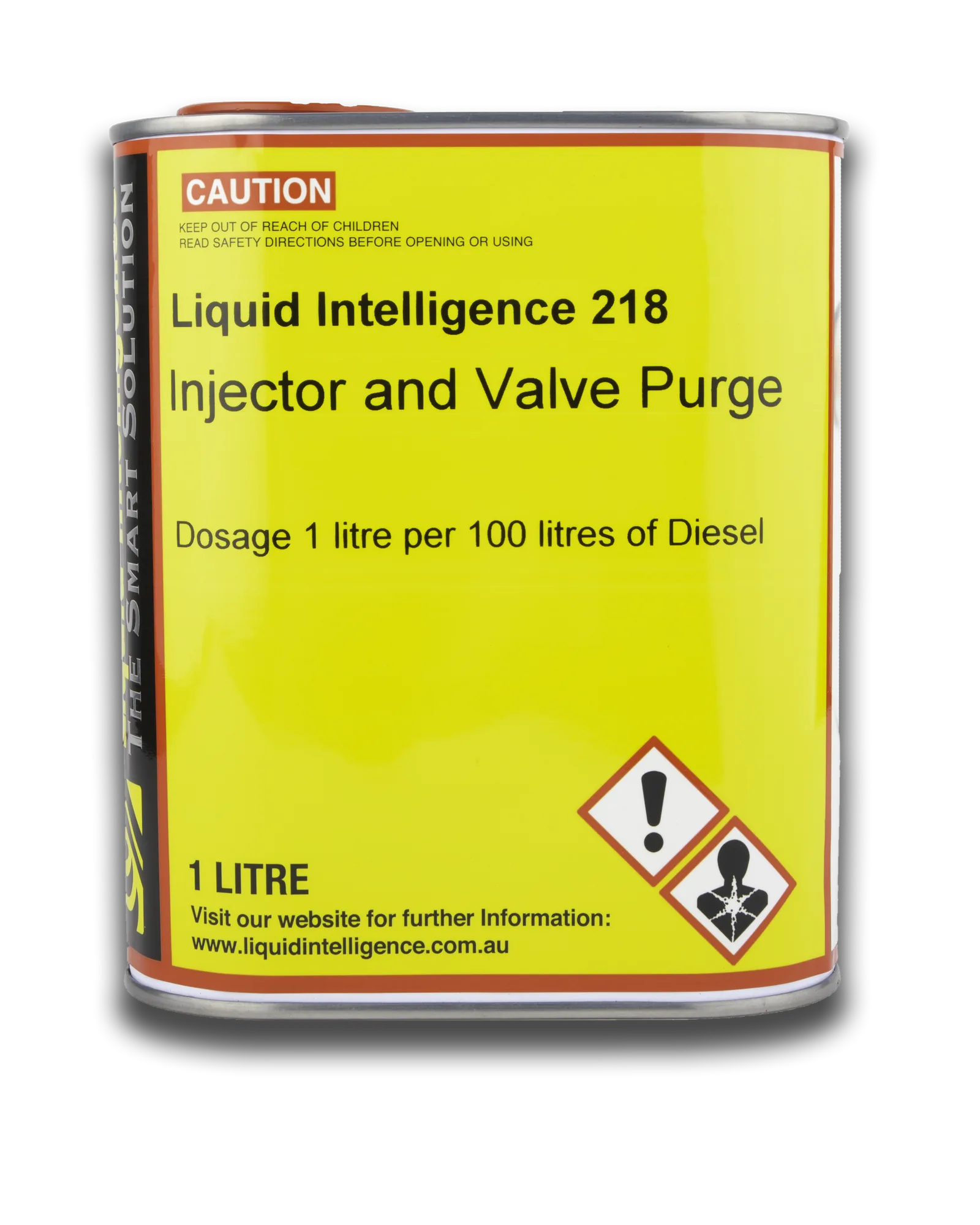
Diesel Purge & Restore
Cleans injectors, rings and combustion chambers. One dose per 50,000km.
$96